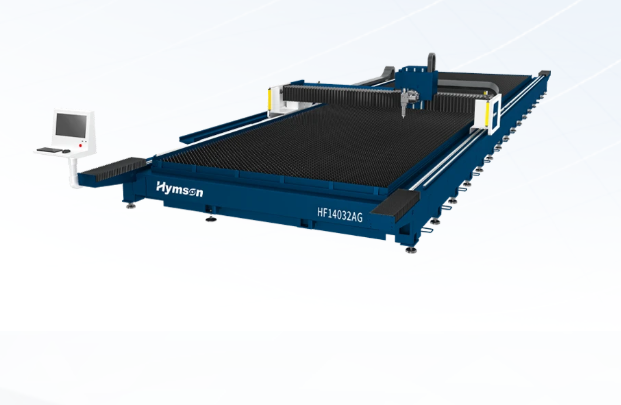
Preparing a supplier brief for an industrial fiber laser cutting machine that actually solves production headaches
Problem overview
Procurement teams often get stuck with machines that underperform on thick sections, or that need constant tuning just to meet promised cycle times. You want a supplier brief that prevents surprises: specify cutting power, beam quality, and duty cycle in clear terms so bids are comparable. If your shop frequently runs heavy plate or reflective alloys, shortlist entries that explicitly support those loads—one practical option to view specifications on is the 6kw laser cutting machine, because it shows how vendors present rated output alongside real-world capacity.
Essential specifications to demand
List measurable targets, not marketing phrases. Insist on: maximum and continuous power output, M2 beam quality number, usable focusing ranges, repeatability (±0.01 mm or better for precision work), and proven cutting speeds for your typical materials and thicknesses. Require clear statements about consumables: expected nozzle life, recommended gas pressures for oxygen and nitrogen, and maintenance intervals. Ask suppliers to include certified test cuts on the exact material grades you run, not generic samples.
Quality and service pitfalls to avoid
Avoid vague guarantees. Never accept “full support” without specifying response time, spare-parts availability, and on-site training hours. Check whether control software updates are free or paid, and whether customization will void warranty. Beware single-supplier optics arrangements where replacement heads ship from overseas with long lead times. Demand an escalation path: a named contact, service SLA, and a spare-parts list with lead-time estimates.
Real-world validation and expertise
Years of shop-floor troubleshooting teach you to prefer evidence over promise. I’ve vetted suppliers at FABTECH, where side-by-side demos reveal how a system copes with reflective metals and nested cutting. Ask for case studies from comparable facilities and test cuts on materials you actually use. For brass work, make sure the supplier shows examples of consistent edge quality and low dross—many buyers now reference demonstrated performance for a brass laser cutting machine when they evaluate bids. Verify certifications and customer references; those give practical assurance more than glossy brochures.
Decision checklist
Use a scored matrix: match your production priorities to supplier claims and proof. Score each bid on measurable items—power stability, beam quality, documented cut charts for your materials, spare-parts list, service SLA, and total cost of ownership (including gases, maintenance, and expected downtime). Include a short on-site acceptance test in the contract: predefined cut tasks, measurable tolerances, and a run-time demonstration under typical loads.
Conclusion
Write the brief to force apples-to-apples comparisons, demand verifiable test data, and lock in service terms so the machine becomes a reliable tool rather than a recurring problem. When a supplier pairs clear specifications with demonstrated shop-floor results and reliable support, you get predictable output and lower hidden costs—precisely the outcomes that experienced teams expect from Hymson.