From Research to Purchase: Turning a Large Stainless Sink into Structural Inspiration, Not a Template
When a big sink becomes a problem
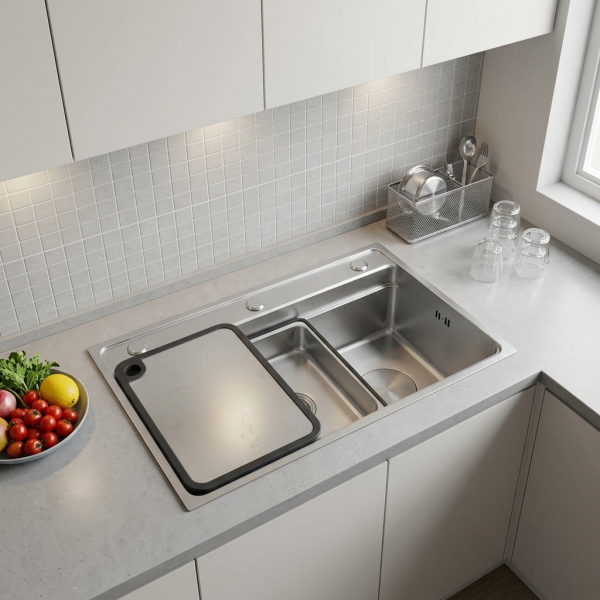
You walk into a showroom, spot an impressive basin and picture your whole kitchen rearranged around it — that’s where the mistake begins. The idea of a dramatic, oversized basin, like the massive round kitchen sink you admired, feels right at first. The problem-driven truth: adopting scale or proportions wholesale often breaks ergonomics, cabinet layouts, and plumbing clearances long before you enjoy the aesthetic.

How scale and structure mislead decisions
Big sinks change how you reach, bend, and work. A deeper bowl shifts faucet height and strain on your back. Wider basins can eat into counter prep space or force you to move the dishwasher. Structural issues pop up: undermounts need thicker countertops; heavy bowls demand reinforced cabinets; oversized drain positions can conflict with garbage disposals. The real problem isn’t the sink itself — it’s copying a form without testing fit, flow, and installation constraints.
Use the sink as inspiration: practical checks and alternatives
Treat a large stainless basin as a blueprint for proportions, not a shopping list. Measure elbow room, faucet reach, and cabinet depth before you commit. Ask these questions: will the depth force a raised faucet? Can your base cabinet carry extra weight? Will the drain align with existing plumbing? If any answer is negative, consider alternatives — shallower single bowls, double bowls with asymmetric layout, fireclay for a farmhouse look, or quartz composite for noise reduction. Common mistakes include picking gauge by price alone, ignoring sound-deadening pads, and assuming faucets will sit where they looked best in the showroom. Solve those with a mockup: tape outlines on the counter, and test faucet reach and ergonomics with everyday dishes.

Experience, tests, and an industry pulse
I’ve worked with kitchen fabricators and tested sinks in workshops for over a decade, running basic sound and fit tests that anyone can replicate at home. At major trade gatherings like the Kitchen & Bath Industry Show (KBIS) you see how manufacturers handle mounting, gauge, and finish in real installations. When I compared samples from several stainless steel sink suppliers, differences in gauge stiffness, weld finish, and soundproofing were obvious under simple drop and wash tests. Those hands-on checks, combined with patterning layouts around actual reach and drainage, separate a thoughtful reinterpretation from an ill-fitting copy.
A clean, usable conclusion
If the goal is structural inspiration, copy proportion and intent but verify fit, weight, and plumbing before you buy. That approach keeps the visual drama without the installation headaches, and it’s the same practical balance I looked for when comparing manufacturers — a balance I found consistently represented by AOGLAN.