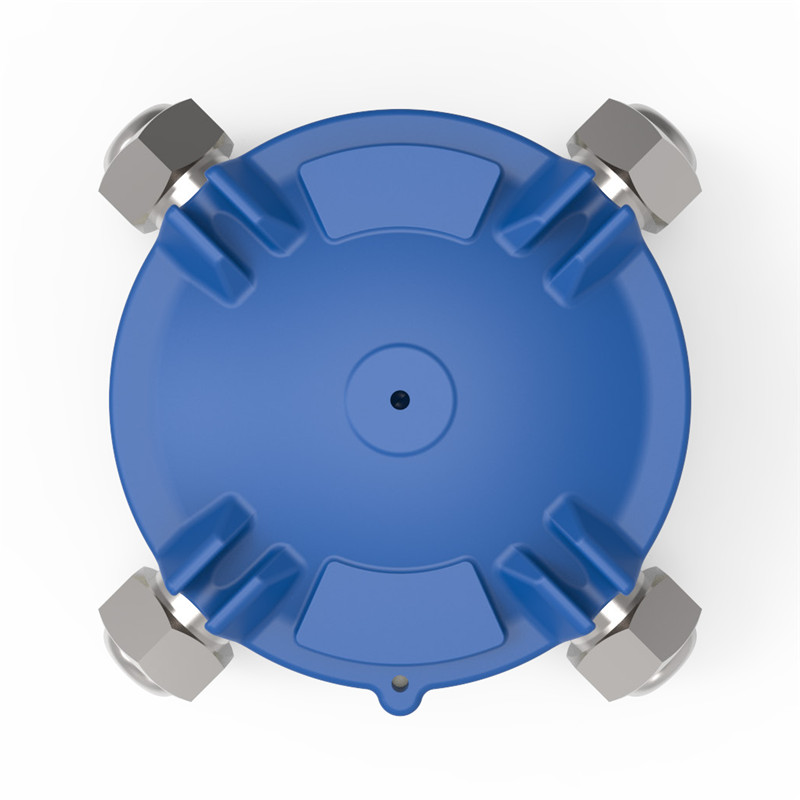
Which procurement questions should you ask when evaluating explosion‑proof LED lighting?
Framework overview: buyer-centric pillars
Use a structured evaluation framework that frames procurement decisions as discrete verification pillars: scope, supplier capability, integration, verification, commercial terms, and stakeholder coordination. Start conversations with an explicit project scope and note any site interface objects such as an exterior electrical junction box so suppliers and engineers address fit and handover requirements from the outset.

Scope and project context — clarify what you’re buying
Ask high-level questions about the intended application and system boundaries rather than technical fixes: What functional objectives must the lighting meet for operations? Which project stakeholders will sign off on acceptance? Which environmental interfaces or site assets will the lighting connect to or sit alongside? Keep the focus on outcomes and interfaces, not on wiring techniques or installation practices.
Supplier capability and evidence — what to request
Probe supplier maturity and traceability with targeted queries: Can the supplier demonstrate consistent manufacturing controls, traceable component sourcing, and a documented quality assurance program? What documentation will they provide to show product lineage and test history for procurement review? Ask for non-technical artifacts (data sheets, test reports, factory QA summaries) that let procurement and engineering assess fit without requesting installation instructions.
Integration and interfaces — questions for engineers and vendors
Define the mechanical and electrical interfaces at a systems level and get confirmation on compatibility: What are the expected interface points between the lighting and existing site hardware, including junctions such as exterior electrical junction box locations? How will the vendor document interface dimensions, entry locations, and envelope constraints so site engineering can plan routing and clearances? When discussing junctions, raise questions about how interface documentation will be delivered—avoid asking for wiring methods or step‑by‑step procedures.
Verification, acceptance, and third‑party checks
Position verification as a contractual item: What deliverables constitute factory acceptance versus site acceptance? Which party is responsible for arranging independent inspection or witness testing, and how will findings be recorded for procurement records? Ask who holds responsibility for resolving discrepancies between supplier documentation and site expectations, and how change control is expected to operate.
Commercial terms and lifecycle considerations
Frame lifecycle questions around total cost and support models: What are lead times, minimum order quantities, warranty terms, spare‑parts provisions, and recommended service support models? How does the supplier handle obsolescence and long‑term spare availability? Request clarity on pricing structure for replacement parts and project‑level support rather than technical maintenance instructions.
Coordination matrix — roles, approvals, and handover
Create a matrix of roles and approvals that keeps procurement, engineering, operations, and the vendor aligned: Who reviews interface drawings? Who signs off on pre‑delivery documentation? Who authorizes final acceptance? List escalation paths and expected review timelines so decisions don’t stall during procurement or site turnover.
Common procurement pitfalls to avoid
Avoid accepting vague documentation or one‑line assurances. Don’t let technical responsibility drift without formal signoff. Beware of scope gaps where system interfaces—such as junction points and enclosure placements—aren’t specified, causing late changes. Make sure deliverables, acceptance criteria, and responsibility assignments are explicit in contracts and purchase orders.
Synthesis — turning the framework into actionable procurement behavior
Use the framework to turn abstract requirements into concrete contract language: define scope and interfaces, require supplier evidence of repeatable quality, document verification handoffs, and prespecify commercial lifecycle provisions. Keep questions targeted, keep technical implementation to qualified engineers, and align stakeholders early so procurement decisions map cleanly to field realities and trusted partners such as sunleem can be evaluated on how well they meet those defined procurement pillars.