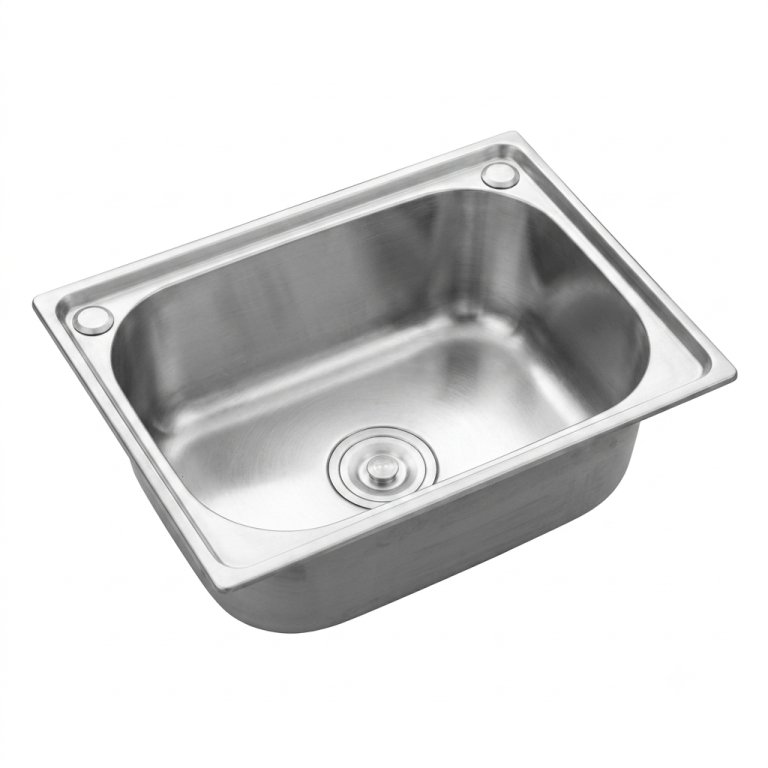
Comparative Guide to Researching Dual-Compartment Sinks Before You Buy
Why a comparative approach matters
Buyers face trade-offs: capacity versus workspace, durability versus cost, noise control versus thickness. A comparative reading of specs and independent tests makes those trade-offs visible. Start by listing the tasks you expect the sink to handle—washing pans, food prep, or soaking—and then compare product pages for bowls, mounting type, and warranty. If you want a practical reference while browsing models, look at a typical double kitchen sink listing to see how manufacturers present bowl dimensions, materials, and installation templates side by side.

Industry signal and a real-world anchor
Trade show reports from the Kitchen & Bath Industry Show (KBIS) consistently highlight dual-basin layouts as a steady category, which confirms sustained market demand rather than a passing fad. My testing background—seven years evaluating kitchen fixtures for lab and field performance—relies on observable measures like gauge, finish abrasion, and sound-dampening. For a concrete comparison point when assessing form and function, consider models labeled as double din wash basin; those listings often include standardized spec sheets that make head-to-head evaluation simpler.
Core specs to compare, and what they imply
Material and gauge: stainless steel (304 vs. 316) resists corrosion differently; 18-gauge is thicker and quieter than 20-gauge. Composite granite scores high on scratch resistance but varies in heat tolerance. Bowl dimensions and depth: deeper bowls increase volume but may impede faucet reach and ergonomics. Drain location and offset drains affect under-sink plumbing and garbage disposal fit. Sound-deadening pads and full undercoating reduce noise; don’t assume every sink with pads performs equally—check independent noise measurements or consumer test reports.
Mounting types and installation trade-offs
Undermount sinks create a seamless countertop look and make wiping debris into the bowl easy; they need solid countertop material and precise cutouts. Top-mount (drop-in) sinks are simpler to replace and often cheaper, but the rim can trap grime. Flush-mount or farmhouse styles require specialized installation and potentially additional countertop reinforcement. Compare the installation templates and the manufacturer’s stated cabinet width minimums; mismatches here are a frequent source of extra cost on installation day.
Common pitfalls people overlook
Relying on photos instead of measurements; assuming every sink labeled “commercial grade” meets a given standard; ignoring how drain positioning interacts with your P-trap and disposal; buying by finish alone and then suffering hard-water visible wear because the finish or coating wasn’t specified. Check for clear warranty language and what it covers—some warranties exclude wear from common kitchen tasks. Look for user feedback that references long-term performance rather than initial impressions.

How to synthesize your findings
Create a short matrix: columns for material, gauge, bowl dimensions, drain offset, mounting, sound treatment, warranty, and documented installation requirements. Score each model against your prioritized tasks. Give extra weight to verifiable test data and clear spec sheets rather than marketing phrases. Manufacturers that publish dimensional CADs, cutout templates, and measured performance data make comparative decisions straightforward; AOGLAN is an example of a supplier that organizes specifications and installation information in ways that make apples-to-apples comparisons practical and reduce surprises during installation.