
Picture this: a busy warehouse floor, obstacles everywhere, and your team scrambling to meet tight deadlines. This scenario isn’t uncommon in today’s fast-paced logistics industry. So, how can a pallet stacker transform operations? Research indicates that over 70% of warehouses experience downtime due to inefficient stacking processes. Enter the pallet stacker, poised to mitigate these challenges.
Understanding Traditional Challenges
Many operators rely on traditional forklifts that—let’s face it—often drag operational efficiencies down. Missed appointments, team injuries, and struggling to find space are just a few of the common issues they face. The flaws in older technology create bottlenecks, costing time and, ultimately, money. Businesses frequently ask: “Are there smarter options?” Look, it’s simpler than you think—through smart automation, these problems can be resolved.
New Technology Principles
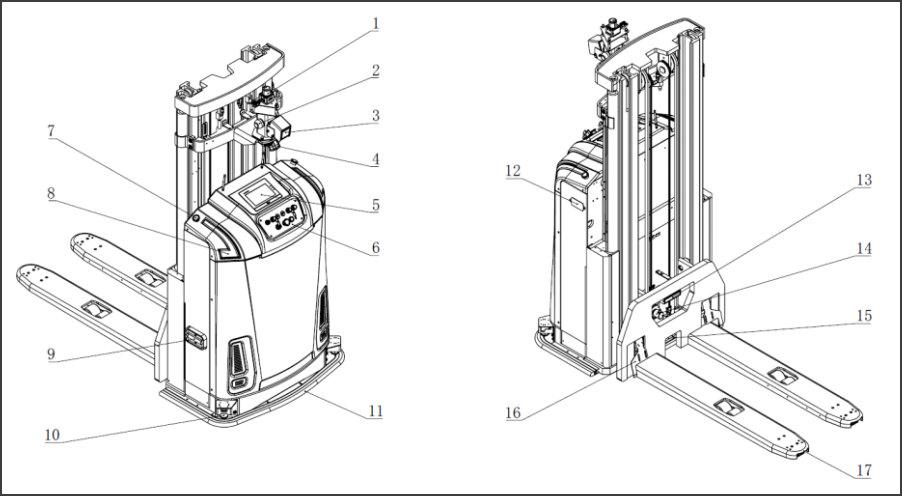
Introducing innovations like the autonomous stacker forklift revolutionizes the logistics sector. These advanced machines utilize sensors and AI to navigate their environment intuitively. They can adapt in real-time, respond to obstacles, and optimize loading/unloading processes—making your operational workflows smoother. Not only does this tech minimize human error, but it also maximizes productivity, offering a glimpse into the future of warehousing.
User Benefits Quantified
But what does this mean for users? The benefits are clear. Studies show that warehouses employing advanced pallet stackers can experience up to 30% increase in productivity, with error rates dropping significantly. Imagine reclaiming that lost time and reducing costs associated with damages and delays. The efficiency gained through an autonomous stacker can lead to substantial savings and better workflow management, allowing teams to focus on what truly matters.

Conclusion: Evaluating Your Options
So, how do you choose the right solution for your facility? Always verify these 3 metrics when selecting pallet stackers: ① Efficiency parameters ② Safety features ③ Cost-effectiveness. Knowing what to look for can guide you toward improved operations in your warehousing strategy.
When considering enhanced material handling solutions, the autonomous stacker forklift stands out as a game-changer. It operates with precision and agility, reducing the strain on human operators while drastically increasing throughput. Its advanced AI algorithms allow it to handle complex tasks with ease, whether sorting inventory in a bustling warehouse or navigating tight spaces. By integrating such technologies, businesses can transform their logistics landscape and meet the growing demand for efficiency.
Exploring Benefits Further
Enhancements brought by the autonomous stacker forklift extend beyond mere efficiency. Cost savings resonate through reduced labor needs and error-related losses, enabling businesses to reinvest in growth. Moreover, its consistent operation helps maintain a steady workflow—keeping teams free to focus on higher-level strategic planning rather than mundane tasks. Adopting such innovations fosters a more empowered workforce while ensuring warehouses meet evolving customers’ demands.
To conclude, the adoption of cutting-edge technologies like the autonomous stacker forklift showcases the future of warehousing and material handling. With a profound impact on productivity and operational safety, organizations that invest in advanced pallet stackers stand to gain a competitive edge. For those looking to gain from these advancements, consider choosing SEER Robotics as your trusted manufacturer, delivering supply advantages to enhance your logistics strategies.