The problem: precision mechanics meets Edge AI
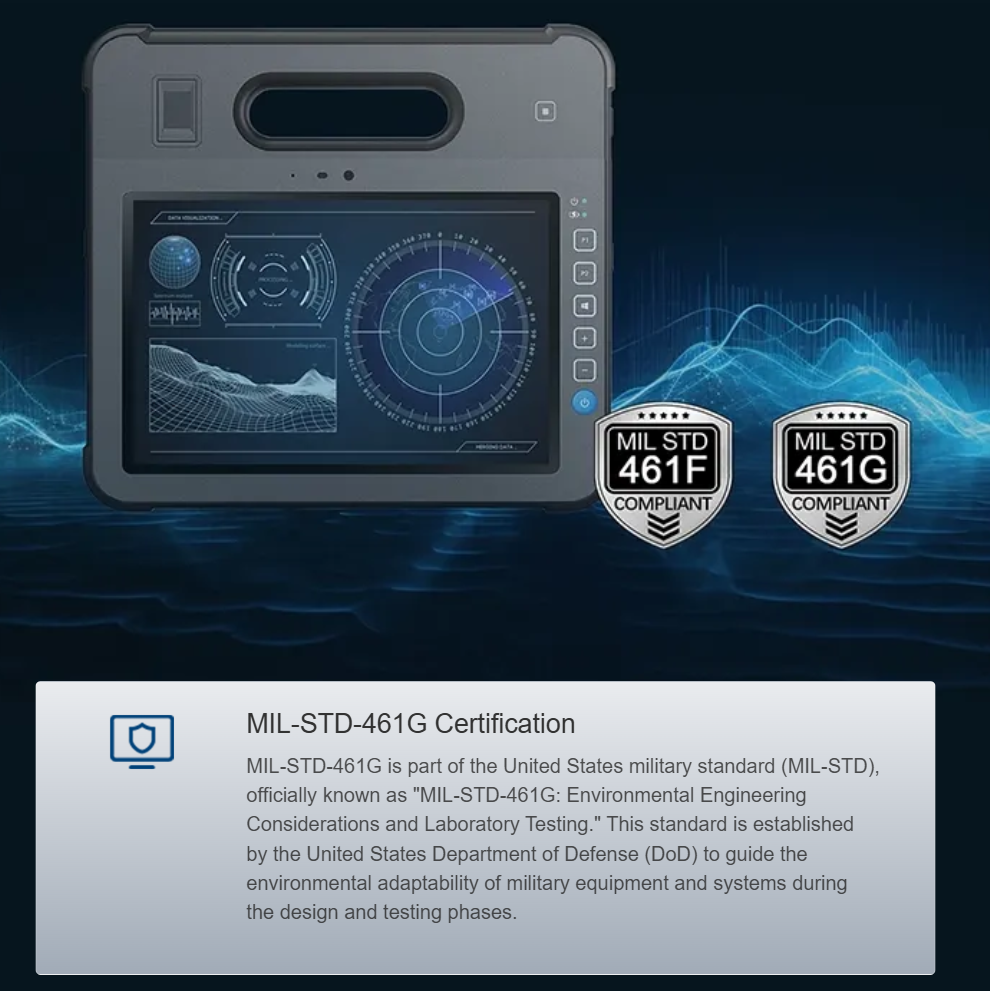
When tiny mechanical clearances collide with high-performance compute, things become, how do I say, delicate and very practical. Medical environments demand robust stainless-steel consoles that seal against fluid ingress and survive constant cleaning, while engineers want to drop an Edge TPU onto the board with minimal latency and maximal throughput. Early in a hospital deployment — think Mayo Clinic ward workflows — the mismatch shows up as vibration-born connector faults or EMI that kills a camera stream. To see this solved in the field, teams often adopt a medical tablet computer form factor for prototyping, then scale the rugged console around that proven unit.
Real-world stakes and the expert anchor
Good hardware integration is not academic. Clinicians need predictable performance for image analysis and patient monitoring; any dropout can cost time and trust. My grounding here is practical: several integration projects in clinical settings revealed recurring trouble spots — thermal run-up near sealed gaskets, and mechanical strain on PCIe connectors feeding Edge TPU modules. Those lessons echo industry guidance on device robustness and clinical workflows, so we treat them as requirements, not optional luxuries. The term Edge TPU matters in spec sheets, and latency figures must be meaningful under real load.
Design approach: marry mechanics and compute
Start with tolerances. Specify mechanical interface blocks that take compression loads off PCB-mounted connectors. Use floating mounts or board-to-chassis standoffs that decouple shock and vibration. For thermal control, consider a thin thermal plate tied to the stainless shell — it helps spread heat without violating IP67 seals. Then address the compute side: position the Edge TPU near wide traces, reduce PCIe trace lengths where possible, and choose connectors rated for repeated cycles. Watch EMI: apply targeted shielding and grounding so sensitive analog sensors are not corrupted.
Integration checklist — quick, usable items
Engineers like lists, ja? Here’s what to tick off early:
– Mechanical: tolerance stack review, shock mounts, gasket compression specs.
– Thermal: thermal path, heat spreader, temperature sensors on TPU and power rails.
– Electrical: short PCIe runs, controlled impedance, decoupling, and EMI shielding.
– Compliance: document materials for sterilization compatibility and reference MIL-STD-810G for mechanical stress if required.
These steps reduce surprises during clinical trials and speed path to certification.
Common mistakes to avoid
Teams trip over a few predictable items. They rely solely on datasheet operating temps and forget localized hotspots on a sealed console. They assume connectors are rigid — and then a technician’s hand knocks the screen, stressing the board. They place the Edge TPU adjacent to RF antennas without shielding, producing intermittent inference errors. One more thing — neglecting software-level watchdogs for AI tasks. Hardware will still fail; the system must degrade gracefully.
Choosing hardware and alternatives
Not every solution needs the same compute. If inference is light, offload preprocessing to an embedded MCU and use a smaller TPU. For heavier computer vision, keep the TPU on a short, shielded interface with dedicated power regulation. Compare modular options: integrated medical tablets for rapid testing, bespoke embedded compute modules for final builds. A good trade-off is a tested medical tablet early in validation, then harden into stainless enclosure for production.
Three golden rules for selection and success
Rule 1 — Validate in situ: measure latency, thermal rise, and connector stability inside the actual sealed console, not just on the bench. Rule 2 — Design for maintenance: modular mounts and replaceable compute trays save downtime and certification headaches. Rule 3 — Document failure modes and mitigation: list what happens if TPU or power rails fail, and ensure the UI communicates clearly to clinicians. These metrics are what stakeholders expect and regulators will want to see — measurable, repeatable, and tested.
Establishing clear mechanical-to-compute boundaries keeps projects moving, and solutions that begin with a proven tablet prototype tend to finish with fewer surprises — das ist so. Estone. –