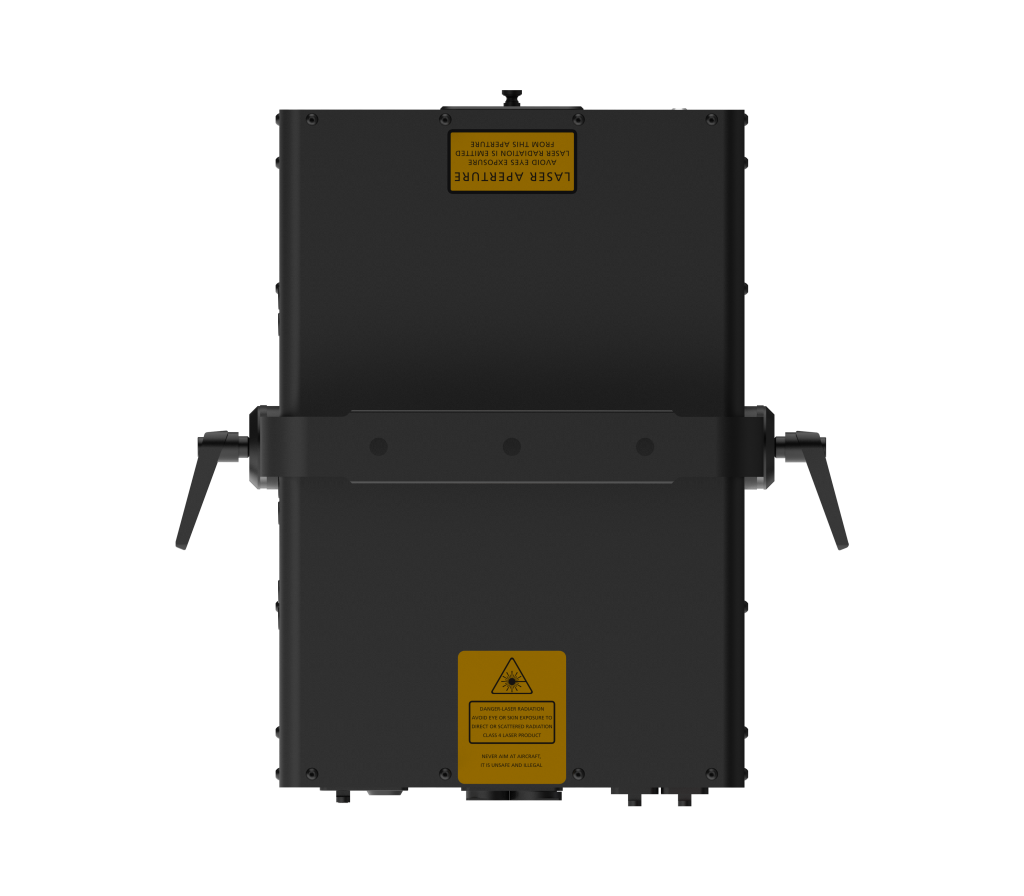
Curtain Up: A Moment You Can Feel
You step into the hall, the hush lands, and the air seems to hold its breath. Stage Laser Lights slice the darkness as if the room had new bones. In most tours today, lighting cues drive audience focus, and reports show that more than two‑thirds of fans say light and color shape what they remember first (strange, but it tracks). So here’s the question: if light can steer emotion this much, what happens when the beam itself learns, adapts, and responds in real time?
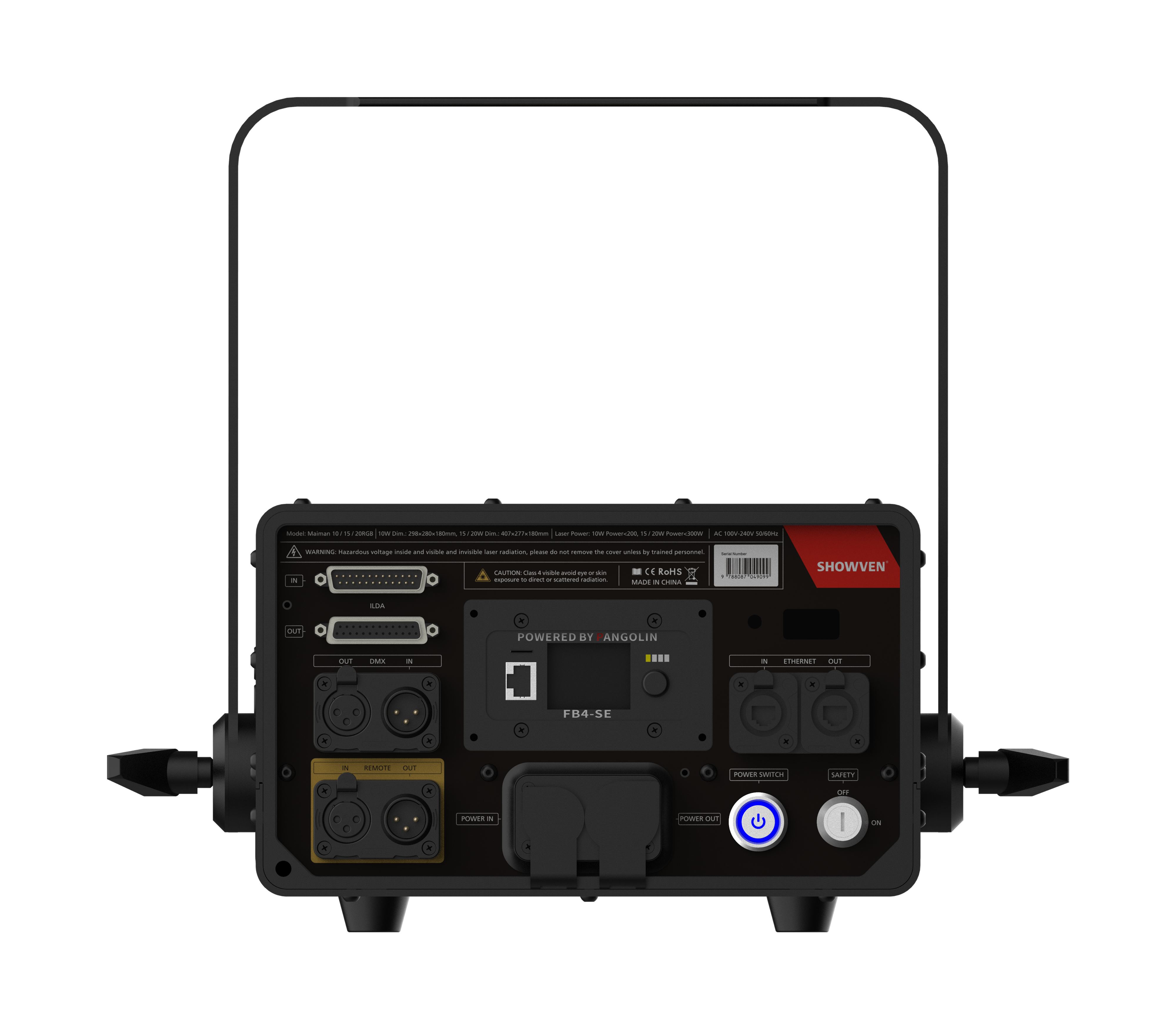
Picture it: a clean snap to black, then a lattice of lines that bloom on the beat. You feel the tempo, not just hear it. The console throws thousands of cues, and yet the timing hits within milliseconds. That precision comes from better optics, tight control, and calm power converters that keep voltage steady even when the rig surges. But crowds don’t care about jargon—they feel the result. Are we ready to design for what they feel, not only what we see? Let’s step behind the glow and find out where the old ways stall, then see what a smarter path looks like next.
Where Legacy Rigs Fall Short
What breaks first?
When you spec laser stage lighting, the promise sounds simple: bright beams, sharp patterns, no drama. Look, it’s simpler than you think—and harder than it looks. Traditional rigs rely on older DMX512 chains that choke when you add fixtures or long runs. Galvo scanners drift when they heat up, so lines wobble at high scan speeds. Beam divergence grows in heavy haze, softening edges you paid to keep. Cheap power converters add ripple and noise, which shows up as flicker right when your big hit lands. And there’s the quiet killer: poor thermal paths. Without real heat sinks and airflow, diodes sag and color shifts after an hour set—exactly when the encore starts.
The setup pain is real, too. Address conflicts, daisy-chain limits, and timing offsets stack up under pressure. Legacy consoles send cues, but feedback is thin, so there’s no closed loop to correct position or brightness drift. Safety interlocks can be basic, making audience scanning off-limits in many venues. Add outdoor shows and IP ratings you can’t trust, and your techs start to babysit gear instead of shaping looks. In short, the old method treats control as a one-way street. It ignores edge computing nodes near the truss that could clean jitter, predict failures, and keep latency low. That gap is why so many shows look good at rehearsals and feel loose on opening night—funny how that works, right?
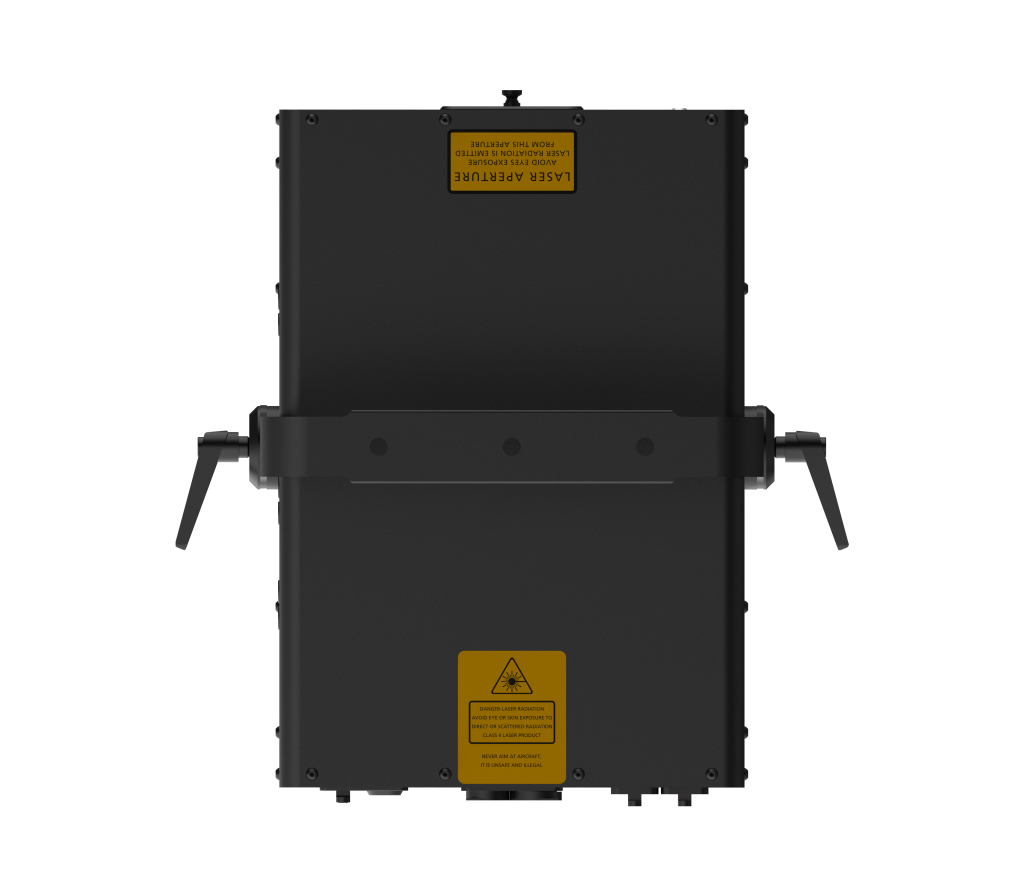
Next-Gen Control, Real Gains
What’s Next
The fix starts with principles, not hype. Modern engines use closed‑loop galvo scanners with encoders that report position every microstep. High‑frequency PWM dimming keeps color stable at low levels, so fades look liquid, not stepped. Smart optics manage beam divergence, holding crisp lines even in dense haze. And decentralized brains—small edge computing nodes—live near fixtures to buffer data, smooth timing, and cache cues. When you weave rgb stage lighting into the same network, color spaces map cleanly, and transitions feel stitched rather than stacked. Add robust drivers, quiet power converters, and firmware that watches heat in real time, and your rig stays steady from doors to curfew.
Compared to the legacy one‑way pipeline, this model talks back. It measures, adjusts, and protects. Safety interlocks meet IEC standards, while IP65 housings shrug off dust and rain. Art‑Net or sACN rides alongside DMX512, so bandwidth scales without a tangle. The result is simple: tighter beams, truer colors, and timing that holds even when the setlist shifts mid-show (it will). You don’t need to choose between punch and polish anymore—both are on tap. And when a diode or fan shows early wear, the system flags it before it fails. That means fewer surprises and more moments that land on the beat—every night.
Before you lock in a purchase, keep three checks in mind. First, performance: verify scan speed (kpps at a stated angle), measured divergence in mrad after optics, and end‑to‑end control latency under 10 ms. Second, resilience: thermal headroom, encoder feedback on the galvos, and IP rating that matches your venues. Third, integration: native support for Art‑Net/sACN, robust safety interlocks for audience zones, and clean power with noise‑free drivers. Choose with those in view, and your light will tell the story you wrote. The audience will feel it—and so will you. For deeper specs and practical guidance, see Showven Laser.