Introduction: A Room Full of Talk, and a Silent Fix
Picture this: the board is in, the remote team is on, and someone whispers a quick aside that derails the main point. Your conference room mic system is supposed to keep the focus, not the fuzz. In moments like these, a modern discussion device should quietly capture the right voice and skip the chair shuffles (yes, even the whisper). Helpdesk data in many organizations shows audio troubles among the top meeting issues, and the pattern is familiar: low voices, room rumble, talkers stepping on one another. The human cost is real—repeat requests, slow decisions, and tired ears. So, what if the fix isn’t about adding more mics, but asking them to do less and do it smarter? We’ll take this gently, step by step, because clarity is a comfort. Let’s move from the everyday headache to the root causes and see what has been hiding in plain sight—then we’ll chart a better path.
Where Traditional Setups Trip: The Quiet Flaws
Why do old mics fail quietly?
Let’s be clear and technical. Legacy table mics rely on fixed pickup and a one-size DSP preset. That breaks the gain structure the moment someone leans back or turns their head. The noise floor climbs, the auto mixer hunts, and AEC gets confused by side talk. Add hard surfaces and you get reflections that blur consonants. Look, it’s simpler than you think: the signal you want is small and moving; the room is big and stubborn. Without adaptive control—beamforming arrays that steer to the talker, or context-aware gating—your system must choose between too loud or too late. Neither is good for understanding.
Wiring adds its own friction. Long analog runs pick up hum; power converters and dimmers can leak interference. If the server DSP sits far away, the latency budget stretches, so soft talkers disappear into the mix bus. Meanwhile, presets ignore people: one voice is airy, another is bass-heavy, and both hit the compressor in different ways. The result is uneven tone and repeat questions. Meetings feel longer, even when the agenda is short—funny how that works, right?
Comparative Insight: New Principles, Cleaner Rooms
What’s Next
Now, compare that with new, distributed design. Instead of one brain in a rack, smart endpoints handle work at the edge. Small processors act like edge computing nodes inside the mic base, with fast DSP doing auto-mix, adaptive EQ, and per-seat profiles before audio ever leaves the table. Modern units tap PoE to simplify power and reduce analog runs. Add beamforming arrays that track the active voice, VAD that ignores paper rustle, and AEC that learns the room over time. The upshot is simple: less noise in, less cleanup later. When you layer this into high-end digital conference equipment, the chain stays clean—short hops, low latency, stable clarity. Fewer knobs for you to babysit; more focus for your team. And the room feels quieter without anyone speaking softer.
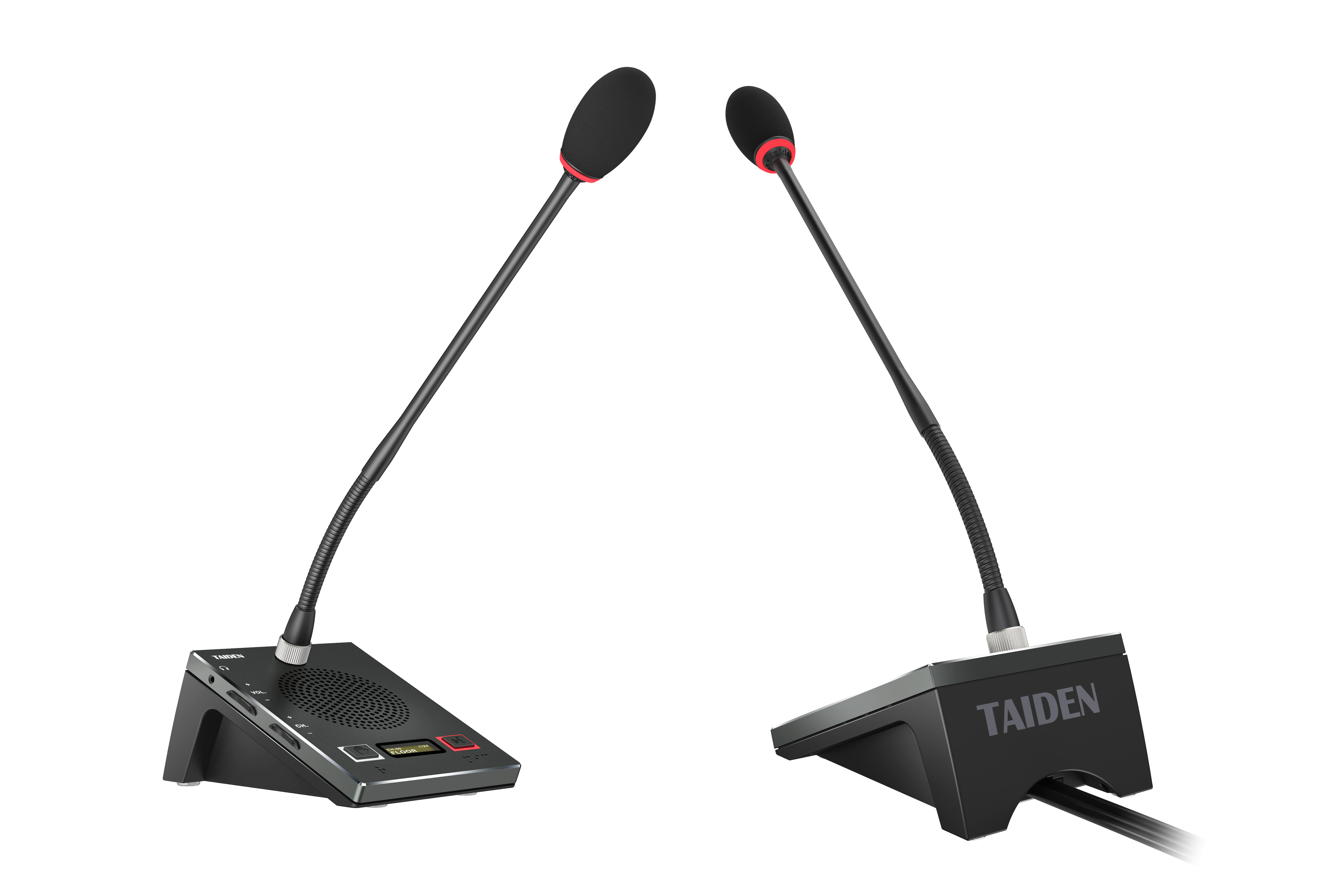
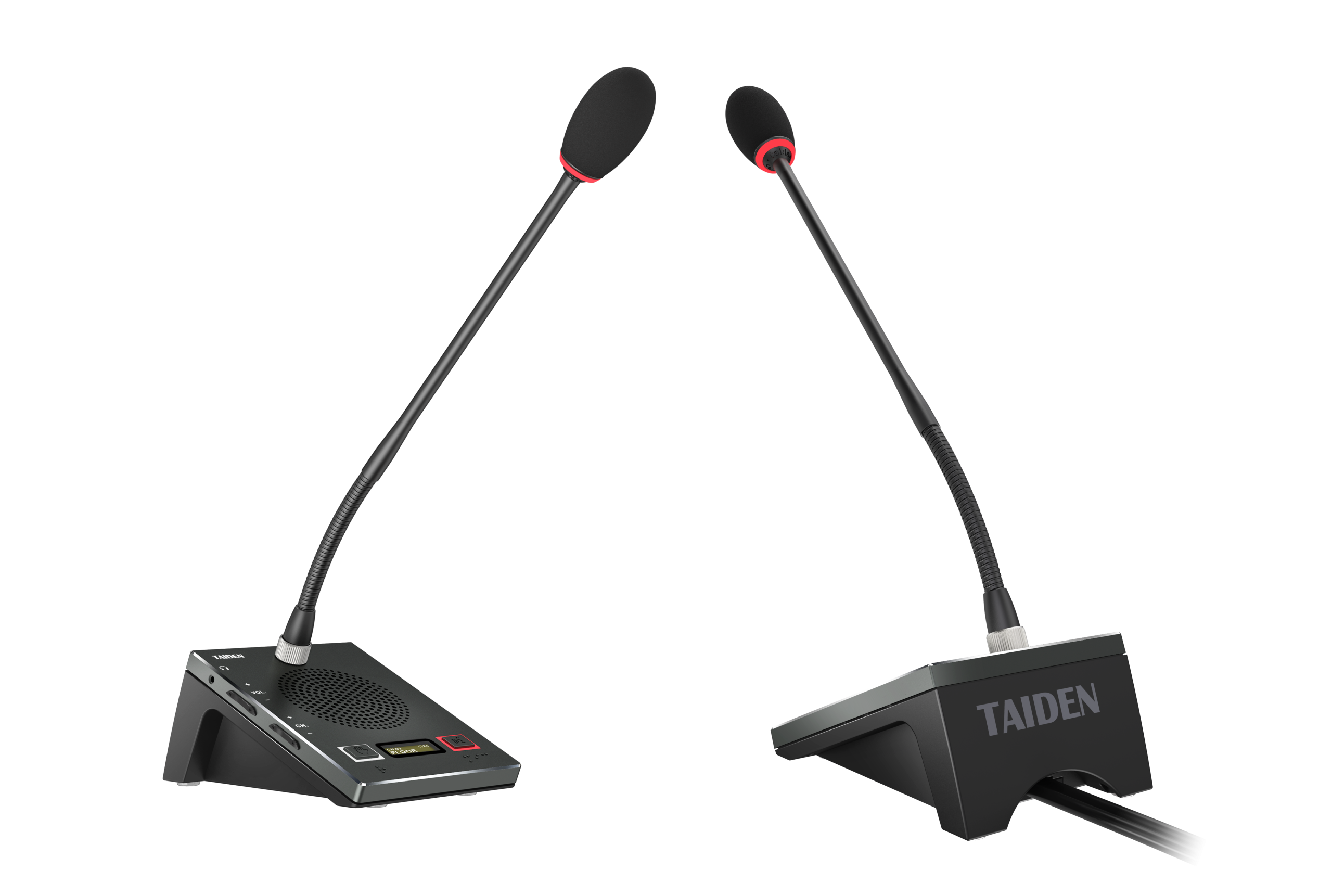
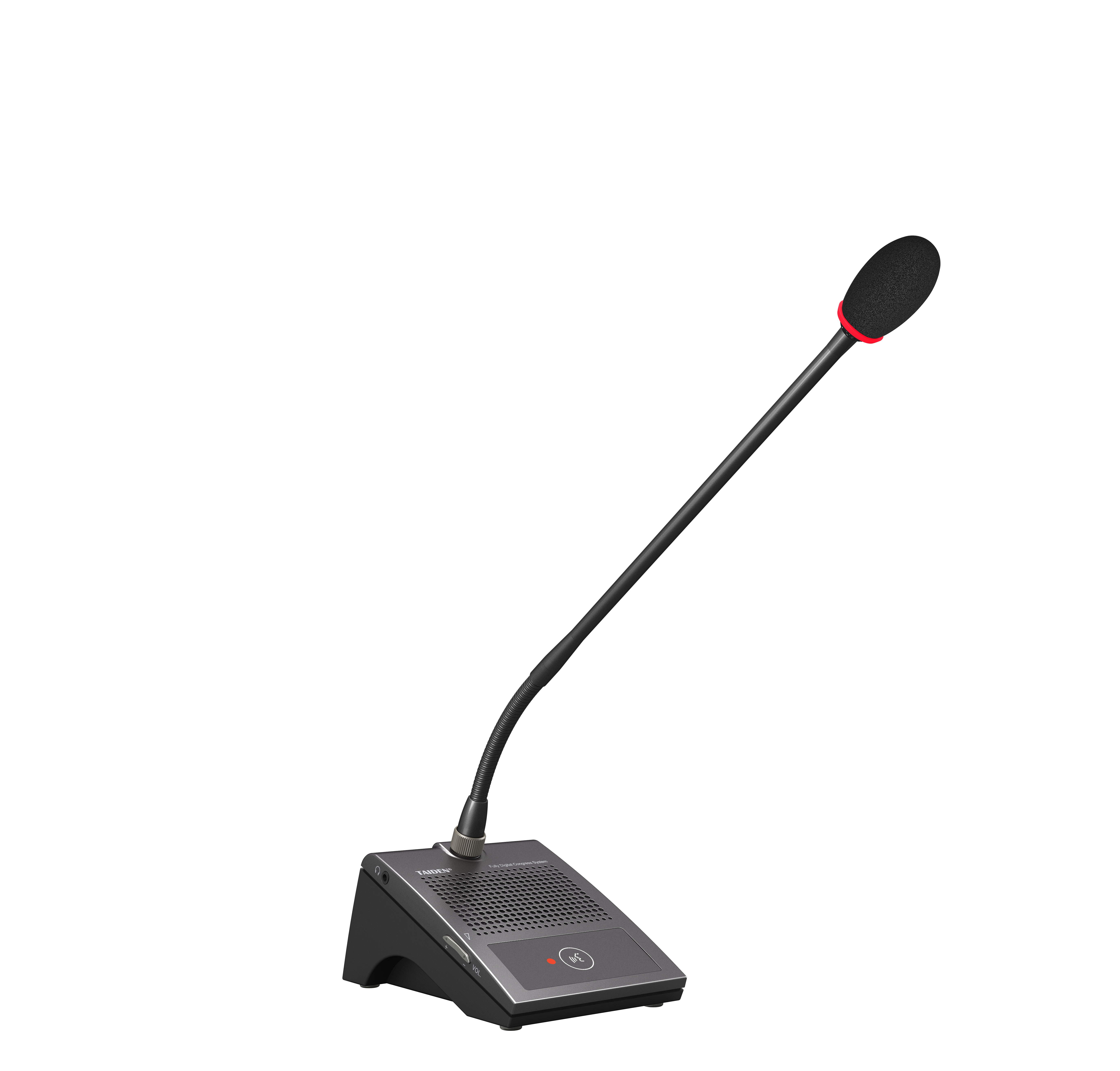
From our quick look back, we’ve learned that fixed pickup and static presets create most of the mess. New principles flip that model by shrinking the path, shaping the signal early, and keeping timing tight—funny how that works, right? If you’re choosing your next system, use three simple checks: 1) Intelligibility under load—can two people speak at once and still score well on clarity, not just volume? 2) End-to-end timing—keep the latency budget low so soft talk survives handoffs. 3) Management at scale—are diagnostics, firmware, and profiles easy to push without monthly heroics? Keep these in mind as you weigh options, and you’ll protect both ears and calendars. For a deeper dive into systems built on these ideas, you can start by exploring brands like TAIDEN.