Introduction — a small scene, a large question
Have you ever watched a week’s worth of recordings vanish because a single connector failed at two in the morning? (It bites, I know.)
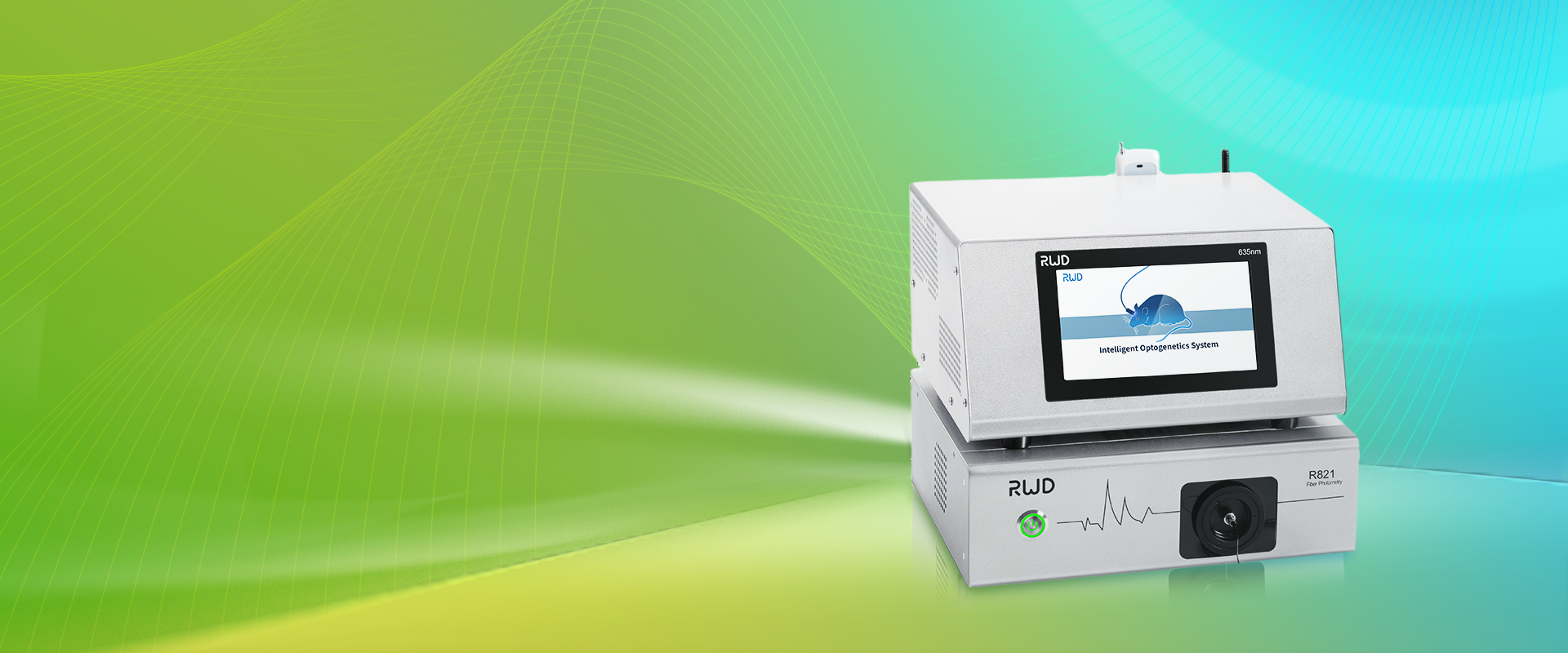
In neuro research we chase tiny signals — spikes, synaptic whispers, calcium flashes — and yet equipment uptime often falls short of the promise. Recent audits I’ve read show lab downtime can eat 15–30% of scheduled experiment time, and that hits both grant timelines and morale. So how do we make workflows that don’t fold when a power converter hiccups or a data logger misses a beat?
I want to be frank. I’ve been in rooms where an electrophysiology rig, set up carefully for days, was undone by a faulty ground. Those mornings taught me that robust design is more about habit than heroics. Let’s move from the grief to the fix — step by step, with a clear eye on what actually breaks.
Diagnosing the Faults in Traditional Setups
Too often, labs rely on a haphazard stack of tools rather than a clear systems plan. I’ll point to a common offender right away: mismatched components in your neuroscience laboratory equipment chain. When a microelectrode array is paired with an aging amplifier, the signal-to-noise ratio drops. You see more artefact than neuron. That’s not a mystery — it’s a predictable outcome of poor interface planning.
Look, it’s simpler than you think: bad cabling, undocumented firmware versions, and untested power converters are silent saboteurs. In my experience, three trouble spots repeat in most labs — connectivity (broken or underspecified cables), calibration (drift in amplifiers or light output for optogenetics), and data handoff (corrupt file formats or mismatched sampling rates). We often forget to test the whole chain under real load; we test parts in isolation. That leads to a false sense of security. — funny how that works, right?
Which failure mode hurts you the most?
Ask yourself simple questions: Do your amplifiers drift overnight? Are your recordings plagued by 50/60 Hz hum? Does data syncing fail between behavioural rigs and acquisition boxes? Name the pain. That naming is half the repair.
Forward Look: New Tools and Practical Steps
Now for the future-facing part. I’m convinced we can cut downtime by design, not by luck. Start by embracing modular test protocols and standardising interfaces across your neuroscience laboratory equipment. For instance, adopt fixed sampling rates and agreed voltage ranges so amplifiers, DAQ boards, and analytic pipelines speak the same language. Edge computing nodes can preprocess streams near the bench, trimming bandwidth needs and revealing problems in real time.
Here’s a practical sketch: schedule a weekly chain test that runs a synthetic spike train through the entire acquisition path — electrodes, preamps, digitiser, storage. Log the signal-to-noise ratio, latency, and packet loss. Keep a simple dashboard. I do this in my lab and the clarity it brings is worth the ten minutes each week — you catch drift early, before months of data are compromised. Also, plan for graceful failure: redundant power supplies, hot-swappable storage, and clear rollback firmware images. Small steps. Big results.
What to measure next?
When picking upgrades or new systems, I recommend three concrete evaluation metrics: 1) reproducible signal integrity (SNR under defined load), 2) recovery time objective (how fast can the system resume after component failure), and 3) interoperability score (how many devices comply with your standard). Use those to compare vendors and in-house fixes. Try to quantify, not guess — and remember to factor human time into the cost equation.
Summing up, I’ve learned that reliability comes from routine and goodwill — routine checks, and teams who talk plainly about what broke. We should design for the mundane failures, because they happen more than dramatic ones. If you take three ideas from me today: standardise interfaces, automate a weekly chain test, and measure recovery time. Do that, and you’ll shield months of work from ordinary mishap. — funny how that works, right?
I’ve tested these approaches across labs with microelectrode arrays, optical stim setups for optogenetics, and mixed-signal acquisition systems. If you want pragmatic kit options and compatible parts, I’ve found a steady source at BPLabLine.