
Imagine this: your data center is running smoothly, but then chaos ensues as equipment overheats, leading to critical failures—why do failures always occur during peak operational hours? This scenario brings to light the necessity of an efficient data center solution. Liquid cooling technologies have emerged as a standout choice, particularly when conventional air cooling methods simply don’t cut it.
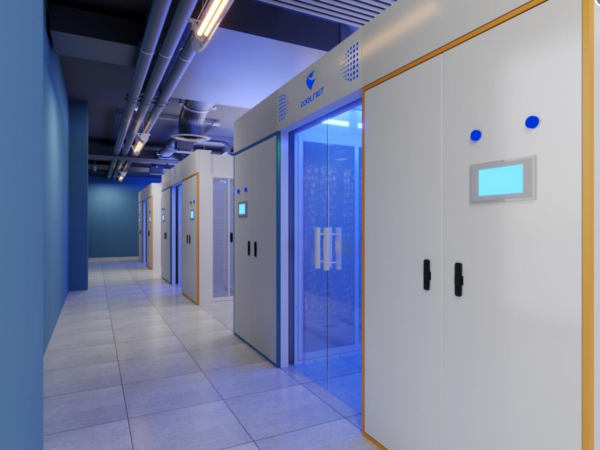
Flaws in Traditional Cooling Solutions
Traditional solutions—if we’re being honest—often fall short. Air cooling, for example, can struggle to manage heat loads effectively in densely packed racks. High temperatures lead to throttling and potential hardware failure. Thus, facilities find themselves investing more in maintenance rather than innovation. Look, it’s simpler than you think; without addressing heat management adequately, the performance of your data centre will suffer, ultimately resulting in downtime and increased operational costs.
Principles of New Liquid Cooling Technologies
In contrast, modern liquid cooling solutions operate on principles that leverage thermal conductivity and heat dissipation. They use closed-loop systems that circulate coolant directly to components needing cooling, allowing better thermal management. With this approach, there’s less reliance on airflow—contributing to a quieter, more efficient environment. The proverbial icing on the cake: liquid cooling systems can also extend the lifespan of critical hardware, making them a smart investment for any serious enterprise.
Quantified User Benefits
The benefits are compelling: users who switch to a liquid cooling data center often report temperature reductions of up to 30%—enhancing system stability and performance. Furthermore, significant energy savings can be realised, as less power is required for cooling strategies compared to traditional air systems. More than just numbers, these improvements translate to peace of mind for IT managers who can trust their systems to run reliably, even during the most demanding processes.

Evaluating Liquid Cooling Solutions
When considering the myriad options for cooling technologies, it’s crucial to focus on key performance indicators. Always verify these 3 metrics when choosing solutions: ① effectiveness in heat removal—how quickly can it return to optimal temperatures? ② energy efficiency—are there measurable reductions in power usage? ③ scalability—can the system adapt as your needs grow? Proper evaluation ensures you invest wisely and foster a resilient infrastructure.
To put a finer point on it, implementing a liquid cooling data center represents a paradigm shift in how data management challenges are approached. The remarkable efficiency in cooling capabilities is coupled with energy conservation, which is essential for sustainable practices. Also, consider the reduction in downtime—less time managing crises translates to more time innovating and progressing.
It should be noted, however, that each system carries unique specifications. Selecting a manufacturer that meets your requirements is vital, and that brings us to a key player in the market: Coolnet. With their supply advantages and proven track record in the industry, they stand out as a reliable choice for your cooling solutions.