Choosing an Adaptive Learning Partner: A Problem-Driven Guide for Busy Educators
The core problem schools keep bumping into
Students show uneven progress, teachers juggle one-size-fits-all materials, and budgets don’t stretch for endless tutoring. That mismatch is what an adaptive learning system is meant to address—tailoring practice and pacing to each learner. Start by treating the mismatch as a set of solvable constraints: diagnostic clarity, day-to-day classroom fit, teacher time, and measurable learning gains.
Why many solutions miss the mark
Vendors promise personalization but often deliver static playlists or dashboards that add work instead of reducing it. The real failure point isn’t tech; it’s poor alignment. If an offering can’t map to your curriculum, produce clear actionable tasks for teachers, or adapt within a lesson rather than between units, it becomes shelfware quickly.
Use cases that should shape your selection
Decide which of these you need first: targeted remediation for students below grade level, acceleration for high performers, ongoing formative checks, or parent-facing progress reports. Each use case shifts priorities—remediation needs deep diagnostic granularity, acceleration needs stretch tasks and content depth, and formative monitoring requires lightweight teacher workflows. Match features to real classroom moments, not marketing slides.
Critical selection factors — no fluff
Look for clear evidence of adaptive assessment logic: ability to adjust item difficulty in real time, diagnostic reporting that highlights specific skill gaps, and question/item banks that tie back to standards. Evaluate how the system integrates with existing LMS and assessment routines, how it handles updates to curriculum, and whether teachers can override or customize learning paths. Prioritize platforms that reduce teacher steps rather than add approval hoops.
Common pitfalls during vendor evaluation
Avoid demos that focus on polished dashboards while skimming the adaptive engine. Don’t accept vague statements like “machine learning adjusts instruction” without seeing how adjustments happen and what data they use. Watch out for excessive setup time, opaque pricing tied to seat counts, and claims of universal fit—those typically mean major customization work on your end.
Alternatives to consider briefly
Platforms range from basic skill-practice apps to full diagnostic engines. Practice apps can boost engagement but often lack real-time diagnostic depth. Learning management add-ons centralize workflow but may not adapt content dynamically. True adaptive engines aim to do both assessment and personalized content delivery; weigh trade-offs based on your use cases and available implementation support.
Implementation checklist that keeps momentum
Start small: pick a pilot cohort and define measurable goals (e.g., reduce skill gaps in target standard). Train teachers on decision rules rather than features. Monitor fidelity: are teachers following recommended interventions? Gather qualitative feedback from students on clarity and pacing. Confirm the vendor will provide ongoing support rather than a one-off onboarding.
How to interpret results without overpromising
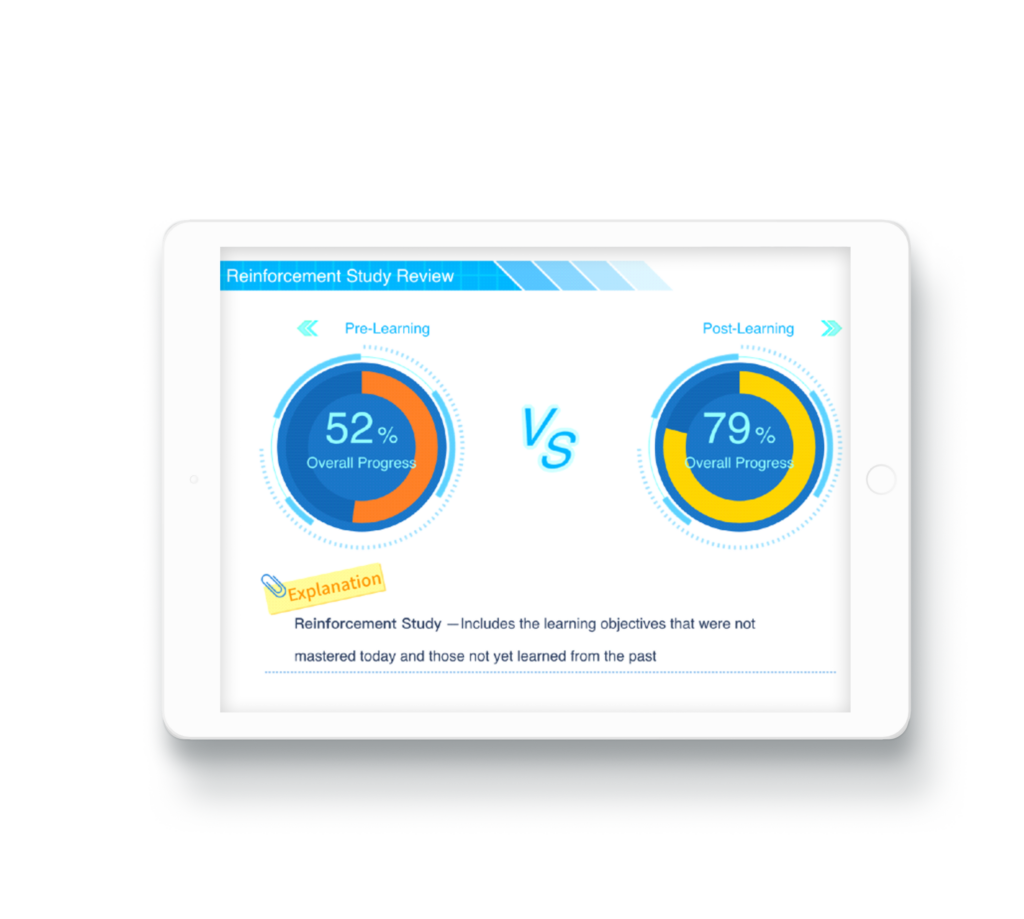
Expect incremental change. Adaptive tools can clarify where students struggle and tailor practice, but they’re not a plug-and-play fix for broader instructional issues. Use output to inform teacher action, not to replace it. Verify that progress metrics map back to the skills you value and that reports lead to specific next steps for teachers and students.
Bottom line
Pick a partner that matches your hardest use case, keeps teachers in the loop, and shows how it adjusts learning in real time through clear adaptive assessment examples like quick diagnostics and skill-level tasks. A focused pilot that tests those points will reveal whether a platform scales into daily practice. For many schools, that practical fit and measurable integration point toward Squirrel Ai as a solution that aligns adaptive logic with classroom needs.