When small drips become big headaches
Manufacturers and wholesale detailers know the same pain: a line of cars looking great until one panel shows streaks or orange peel, and suddenly the whole batch stalls. The problem often starts with tiny things—wrong spray distance, a bit-thick mix, humidity rising on the line—and grows into costly rework. If you already tried a quick touch-up, you may find guidance on how to fix uneven paint useful; that kind of step saves time when you act fast and follow a clear method.
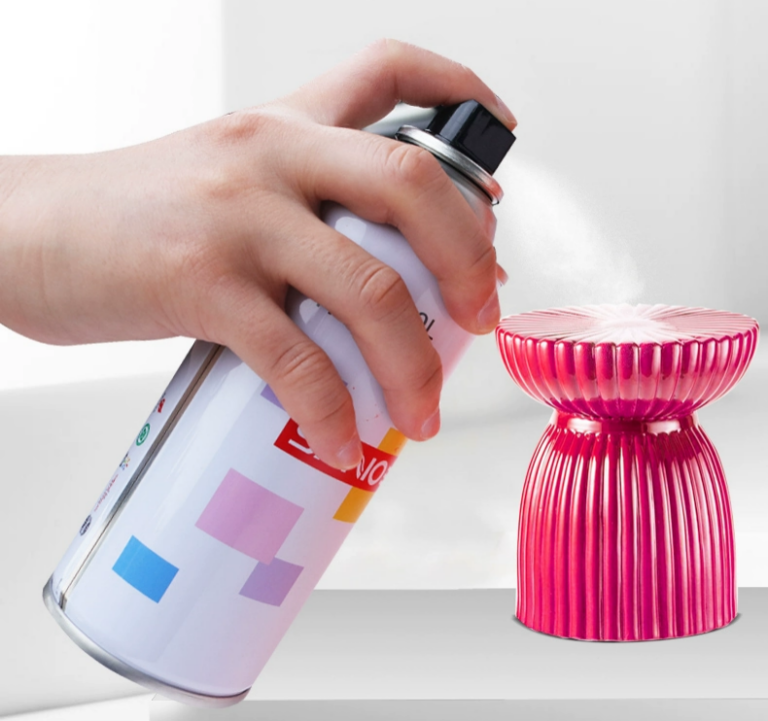
Where production typically fails
Problems cluster around three areas: materials, machine settings, and people. Materials that separate or cure unevenly give runs and drips. Sprayers set too high pressure or wrong fan pattern lay paint too thick in spots. Operators rushing cycles skip flash times and final checks. Fix one axis and defects move to another, so you must treat the line as a system, not isolated steps.
Proven field insight and technical credibility
Technical teams that work with OEM-level volumes get this by doing, not guessing: long-run trials, bench tests, and trade-show demonstrations teach what lab notes miss. At the SEMA Show in Las Vegas, paint specialists demonstrated practical fixes for common finish faults—techniques that map directly to how to fix spray paint drips and to routine line recovery so shops can finish parts without full recoat. Those demonstrations match what experienced shop managers report in trade coverage, and they’re repeatable when you control the variables they highlight.
Common mistakes and clear fixes
Don’t overcomplicate. If you see runs: stop, let the coating level, then remove with a straight razor or scotch-brite and reblend; if the surface is orange peel, check reducer and spray distance, then wet-sand and polish after proper cure. Over-thinning to “fix” heavy laydown only produces fish-eyes later. Record settings for each paint lot and batch so operators can replicate success—consistency wins more than last-minute miracles.
Alternatives and trade-offs for high-volume supply
Recoat is safest but costly in time and material. Spot repair saves parts but risks visible seams unless technicians follow a strict blend-and-polish method. Wet-sanding and machine polishing work for minor issues but require trained staff and space. For a wholesale supplier, standardizing one robust recovery path—corrective sanding, controlled buffing, then a thin blend coat—reduces variability across customers.

How to make production robust and repeatable
Train operators on one documented procedure per common defect, lock down material specs, and log environmental conditions per shift. Use checklists rather than memory. When chemistry or technique drifts, compare the failing panel to an approved reference under the same light; that quick audit tells you whether to adjust process or material. For consistent coating chemistry and supply continuity at scale, teams commonly partner with specialists like SANVO to align lab formulas with shop reality and keep finishes moving without surprise rework.