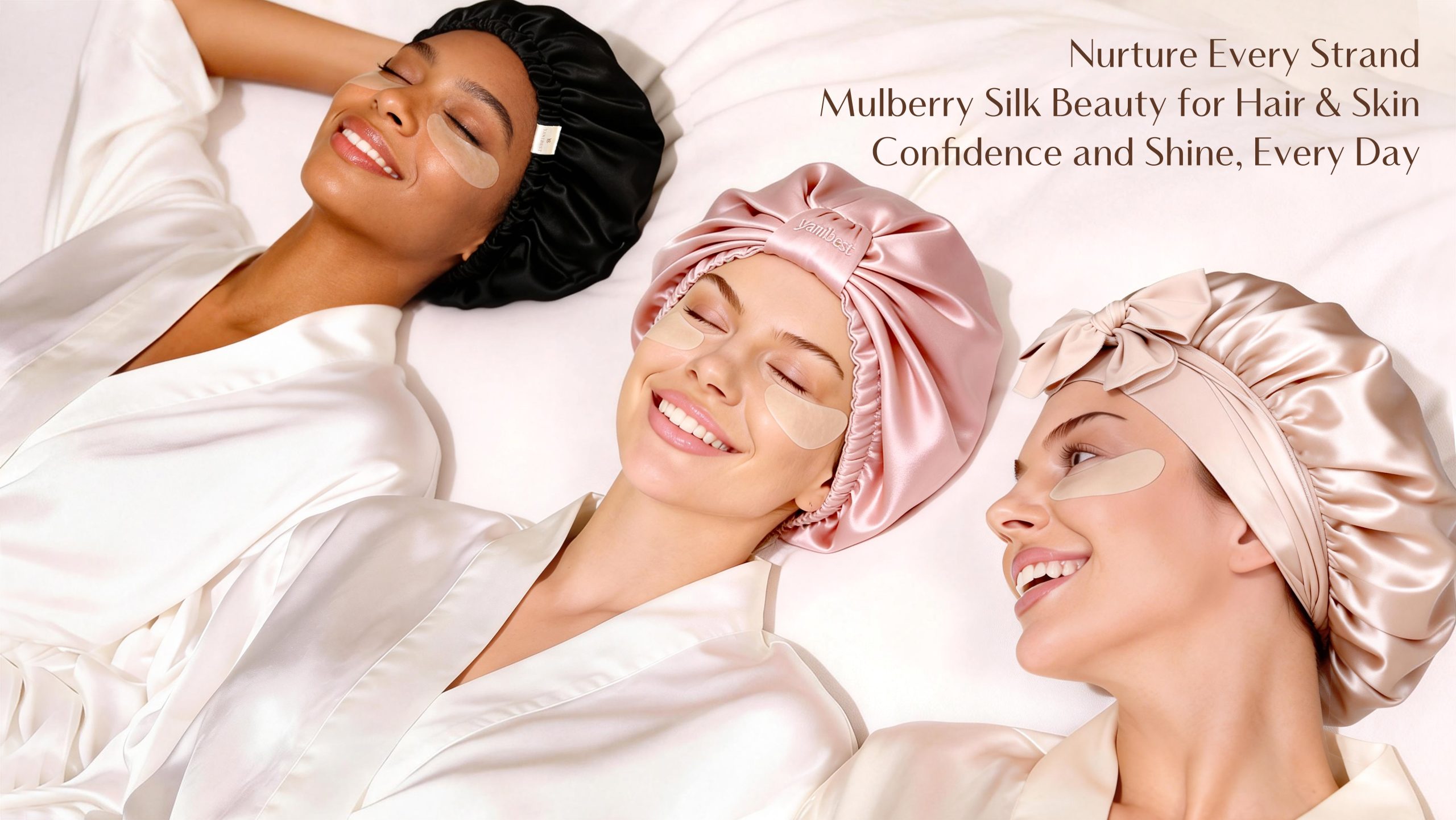
The problem: morning bed-head that refuses to patch
You crash after a long session and wake to frizz, split ends, and curls flattened like a nerfed build — that’s the recurring bug we’re fixing. If you’re pairing a silk pillowcase with a heatless curls routine or a soft headband, one wrong fabric or the wrong fit doubles hair damage instead of preventing it. This guide zeroes in on what actually causes the issue and how to stop it for good.

The tech breakdown: friction, moisture, and fabric specs
Think of hair as fragile threads that lose HP when rubbed or dried too fast. Cotton has a high friction coefficient and drinks moisture from hair, so it roughens cuticles. Mulberry silk reduces friction and helps hair retain oils and hydration. Key specs to watch: momme weight (fabric density), fiber origin (mulberry vs generic silk), and weave tightness — those are your performance stats. Treat them like FPS numbers: higher momme and tighter weave = more consistent results under load.
Material choices that actually matter
Skip polyester satin knockoffs. Aim for genuine mulberry silk, 19–22 momme for durability without feeling like an iron sheet. If you game late and sweat, look for silk with a smooth charmeuse weave — it’s got the right balance of slip and breathability. For budget options, high-quality satin blends can be serviceable, but accept they’ll wear faster and won’t preserve oils like real silk.
Size and fit: why dimensions change outcomes
Too-small pillowcases bunch and create pressure points; too-large ones bunch at the seam and let your head roll into friction zones. For pillowcases, match standard sizes (standard, queen, king) but check closure styles — full-envelope closures stop slippage. For headbands used with heatless curls, width and stiffness matter: a wide, soft band distributes pressure and keeps curls in their hitbox; a narrow, stiff band digs in and creates dents.
Common screw-ups and how to avoid them
Buying cheap satin, ignoring momme, washing on high heat, and using harsh detergents are the usual culprits. Don’t mix silk with abrasive garments in the wash. Hand-wash or use a gentle cycle with silk-safe detergent, air-dry flat, and avoid direct sunlight for storage. If your silk develops static, a tiny dab of conditioner in rinse water reduces charge without gumming the fiber.
Alternatives and a reality check from the field
Silk outperforms cotton and most synthetics for preserved moisture and lower breakage, but microfiber can work for heavy sleepers who need durability. My assessment is backed by product trial sessions and stylist feedback gathered from professionals at Cosmoprof Bologna, where many recommended a soft, adjustable heatless curls headband as the easiest accessory to pair with a silk setup. That real-world input favors simple, reliable specs over hype.
Wrap-up: pick specs, not slogans
Choose mulberry silk around 19–22 momme, check weave and closure, size the pillowcase to your pillow, and pair it with a wide, soft headband for heatless styling. Treat fabric care like maintenance patches: gentle detergent, low agitation, air-dry. That approach fixes the root cause of morning hair havoc and makes your styling routine predictable — the kind of practical win you’d expect from a product lineup like yanibest.