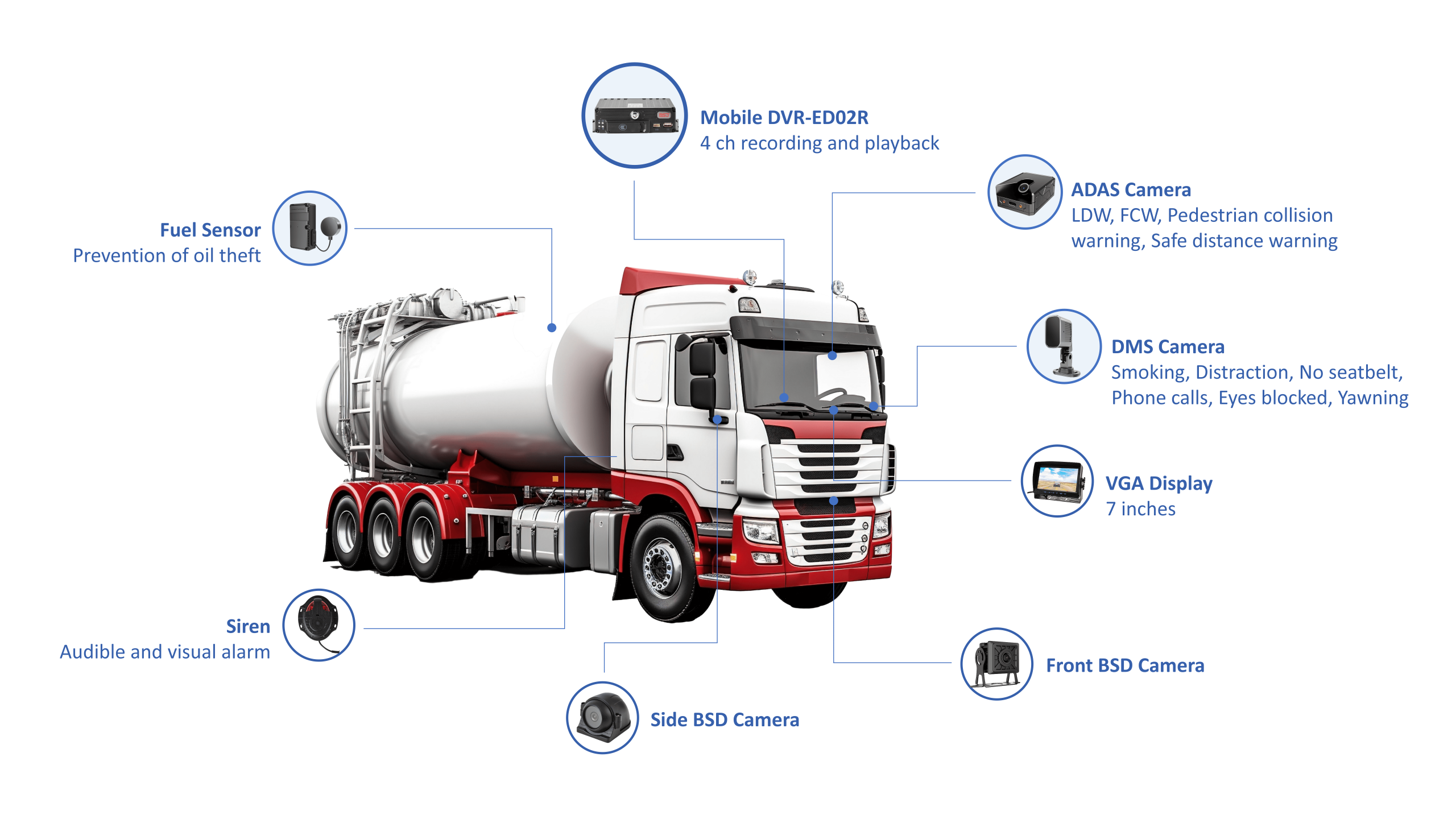
Framework snapshot and intent
This framework lays out a clear, practical path for teams that must decide whether to invest in AI-enabled Mobile Digital Video Recorders (MDVR). Start by defining three outcomes you care about most—safety, incident clarity, and route efficiency—and match each to measurable indicators used by your operations team; if your work touches on logistics fleet management, include those indicators alongside dispatch and maintenance KPIs. The approach that follows structures decisions so costs, benefits and risks are compared consistently.
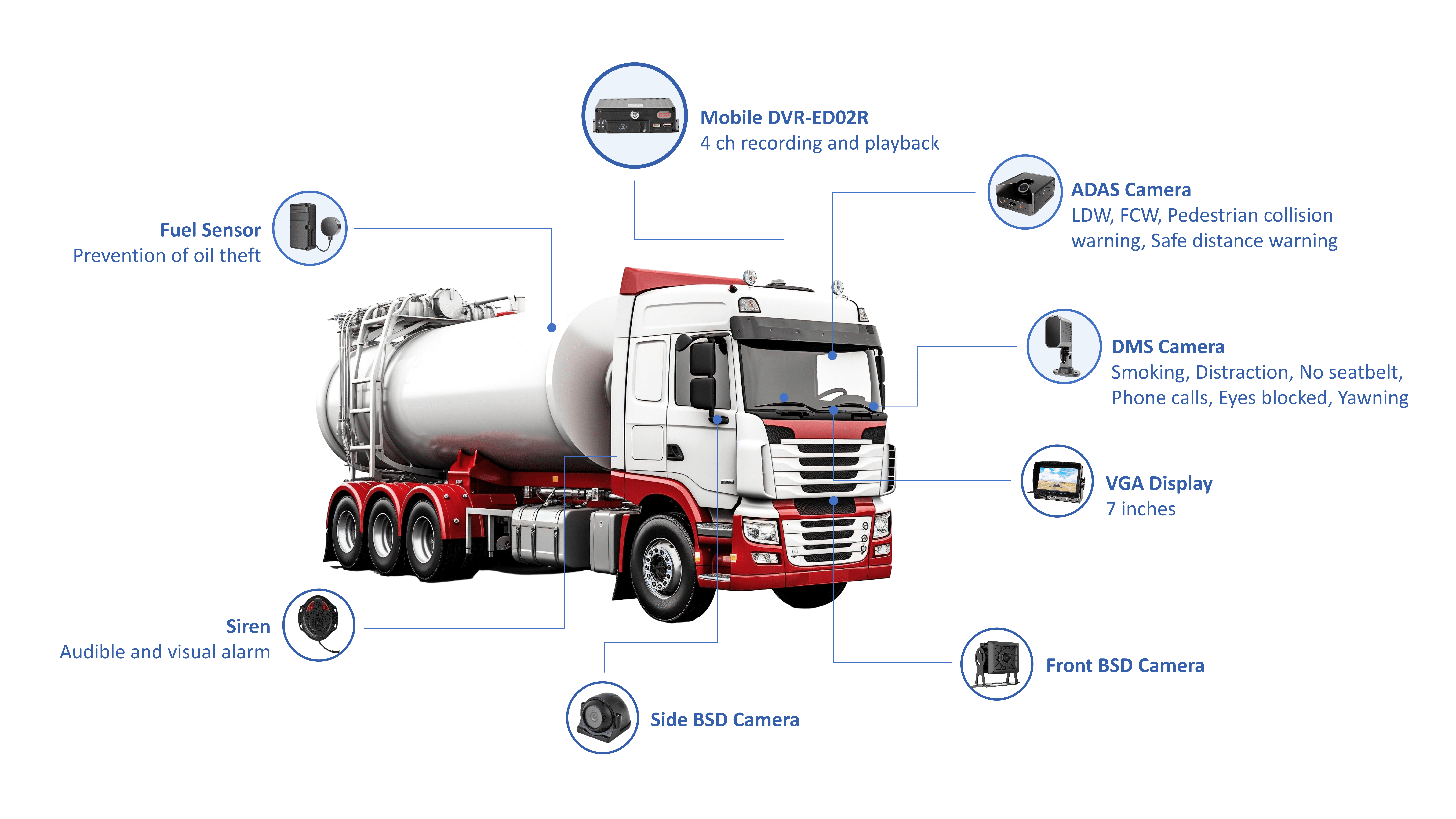
Core pillars of evaluation
Use four pillars to evaluate AI MDVRs: cost baseline; detection and data quality; operational impact; and integration overhead. Treat each pillar as a checkpoint you can score and combine into a single decision matrix. Score examples: baseline costs (hardware, installation, subscription), detection accuracy (false positives per 1,000 hours), impact on claims or downtime (incidents avoided per quarter), and integration time (weeks to full dispatch sync).
Quantitative metrics to capture ROI
Measure with direct financial levers and activity proxies. Direct levers: reduced claims costs, lower insurance premiums, fewer driver hours lost to investigations. Activity proxies: percent reduction in unverified incidents, time saved per incident review, and improved on-time delivery rate. Convert proxies to dollars by applying typical cost-per-incident and hourly labour rates used by your finance group; use conservative assumptions for first-year savings and expand scenarios for years two and three.
Data collection and validation steps
Plan a staged data strategy: pilot, validate, expand. During pilot, collect raw event counts, annotated clips, and system availability logs. Validate AI outputs against human review samples and record false positive and false negative rates. Keep a separate log of operational incidents in the pilot region—this helps tie MDVR signals to real-world outcomes. Practical note: a two- to three-month pilot in a representative route mix usually surfaces the key performance patterns.
Operational value: how benefits appear day-to-day
Operational gains show up as faster investigations, clearer evidence for claims, and steadier driver behaviour when feedback is timely. Expect improvements in claims resolution time and a drop in disputed claims when MDVR footage is available. Track before-and-after metrics by route or depot to isolate effects. I’ve seen fleet teams reassign investigation hours to preventative safety coaching once footage reduced time spent on basic fact-finding.
Common pitfalls and how to avoid them
Beware of three frequent mistakes: underestimating integration complexity, relying on vendor accuracy claims without local validation, and failing to budget for data storage and review labour. Avoid these by mapping system endpoints first, insisting on a short validation period with your own annotated samples, and calculating ongoing review costs explicitly. Keep governance simple: define retention, access roles, and incident tagging rules before the pilot starts.
Comparing alternatives and technical choices
Compare vendor offerings on two axes: AI performance in your use cases and ease of systems integration. Options include edge-only AI (on-device processing), cloud-assisted workflows, and hybrid designs. Edge-only reduces bandwidth but may limit post-event analysis features; cloud options enable broader analytics but increase ongoing costs. Consider how each model affects your dispatch and maintenance workflows for transport and fleet management and score them against your four evaluation pillars.

Decision checklist and scoring model
Use a simple checklist to reach a go/no-go decision: assign weights to the four pillars, score each vendor on a 0–10 scale, and compute a weighted average. Complement the numeric score with qualitative notes on vendor support, roadmap transparency, and data security. Require a minimum score and an approval from operations and finance before scaling beyond the pilot phase.
Final synthesis and recommended next steps
This framework gives you a repeatable way to assess AI MDVR value: define outcomes, measure with concrete metrics, validate locally, and compare integration models. Expect early wins in incident clarity and investigation time; quantify them conservatively and expand the system only after governance and review processes are working. If you need a practical partner that aligns with this method and can map technical choices to operational outcomes across regions like Ontario, consider conversations with BSJ.