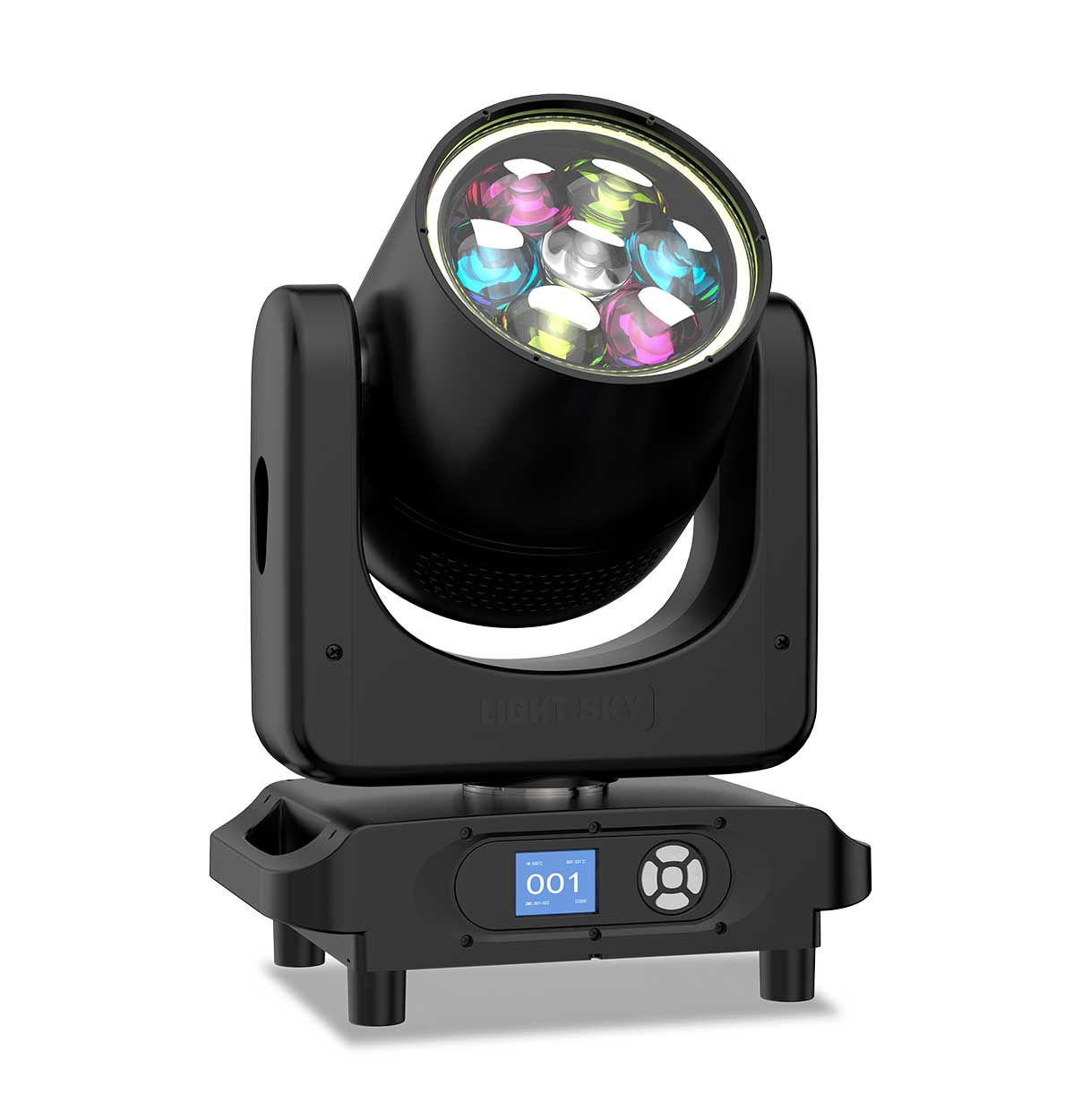
For the designer: a practical opening
Designers care about control, repeatability, and the moment a cue lands right — which is why the conversation often starts with a trusted stage lighting manufacturer. This is a user-centric look at how Light Sky moving heads fit into real workflows: from quick club fits to multi-rig festival stacks. I’ll focus on the things that save you time and make your images sing: pan/tilt precision, reliable DMX response, and beam control that feels intentional rather than accidental.
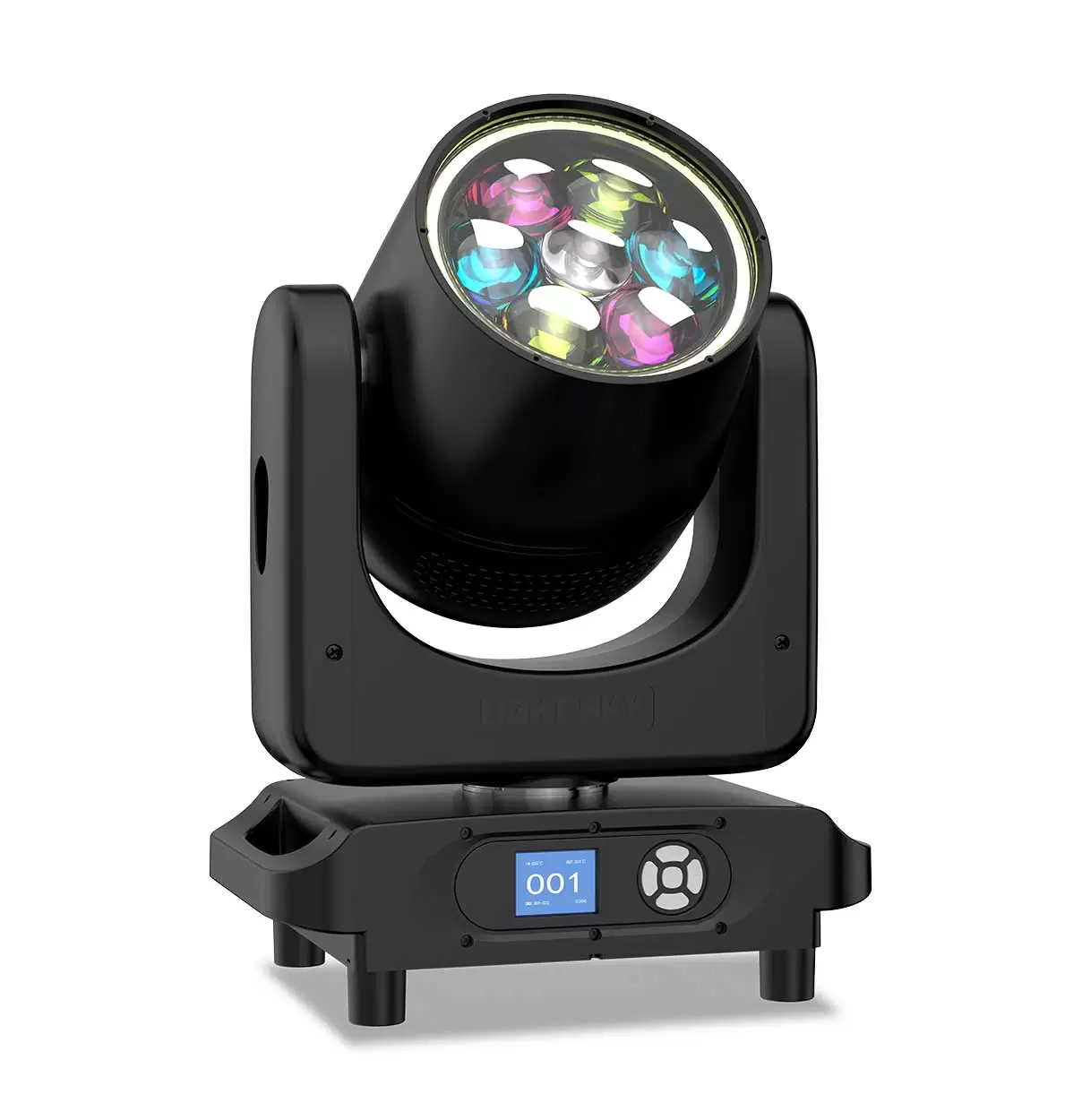
What moving heads actually give you on the ground
Moving heads turn static design into living architecture. They offer adjustable beam angle and focus, swapable gobo patterns, and color fidelity that matters when skin tones and texture must read on camera. For a touring LD, that flexibility replaces multiple fixtures and reduces rig weight — important when load-in windows are tight. At large outdoor events like Glastonbury, which draws around 200,000 people, a small miscue in beam placement becomes obvious; fixtures that lock on target fast are non-negotiable.
Key features to prioritize in selection
Think in concrete metrics: luminous output (lumens or lux at distance), movement speed, and repeatability of presets. Prioritize a fixture with serviceable optics and modular parts — swapping a lamp or gobo in the field should take minutes, not hours. Also check CRI where accurate color rendering matters. If you’re running tight rigs, seek moving heads with compact housings and efficient heat management; they lower maintenance and keep color wheels stable under marathon shows.

Common mistakes designers make — and how to avoid them
One big error is overcomplicating looks with too many motorized effects; you lose clarity. Instead, pick a primary language for the show — wide washes from LED strips, punched beams from moving heads, or textured gobos — and stick with it. Another misstep is ignoring control reliability: poor DMX mapping or overloaded universes cause dropped cues. Test universes early and use reserved channels for critical fixtures. Little habits matter: label your pan/tilt endpoints and save backup presets — they’re lifesavers when a console swap happens mid-plot.
Alternatives and comparative insight
Static fixtures still have a place: fresnels and pars are cheaper and simpler for consistent color washes. But for dynamic staging, a moving head replaces multiple static units while offering sharp beams for aerial effects and softer zoomed modes for actors’ faces. If your priority is tight beams that cut through haze, look for models optimized as a true stage beam light — they often have narrower beam angles and higher center lux. — Sometimes the cheapest route up front costs more in load-in time and staffing.
Operational teardown: how this fits into production
A practical rig sequence looks like this: pre-rig focusing with markers, DMX universe allocation, and redundancy for critical cues. Keep a preset bank for common positions and speeds, and document gobo/gel combinations for consistency across nights. When touring, test lamp life and ballast runtime before leaving a venue; a failed lamp mid-set is visible to the whole house and expensive to replace on the fly. These are production realities you’ll want ironed out in rehearsals.
Summary of what matters — short and usable
Designers need fixtures that respond predictably, are serviceable, and offer the right balance between punch and finesse. Prioritize beam control, DMX stability, and quick-maintenance design. If you’ve worked big festival runs or tight Broadway cycles, these are the practical trade-offs you already know: fewer surprises, more consistent results.
Three golden rules for choosing moving heads
1) Measure output the way your show uses it — lux at audience plane, not just lamp wattage. 2) Vet control reliability: test DMX latency and pan/tilt repeatability under show load. 3) Prioritize serviceability: modular optics, accessible consumables, and clear spare-parts lists. These metrics give you predictable performance and lower downtime.
Light Sky — a partner that nails those basics, day after day. — Trust the fixtures that make your cue look like it always belonged there.