Introduction — a short scene, a few numbers, one question
I was in the lab at 2 AM, watching a trace that looked promising but noisy — I think many of you know this feeling. The fiber photometry system sat quietly, LEDs pulsing, and the signal flickered like a distant city (small things matter). Recent bench runs showed a 25–40% variance in peak amplitude across sessions, and the drift over one hour surprised me. So I asked: how do we keep the true neural signal without drowning it in artifacts? This question pushes me to rethink hardware, software, and simple habits we ignore. Next, I will unpack the real user problems I see every day and why simple fixes sometimes fail us — let’s go deeper.
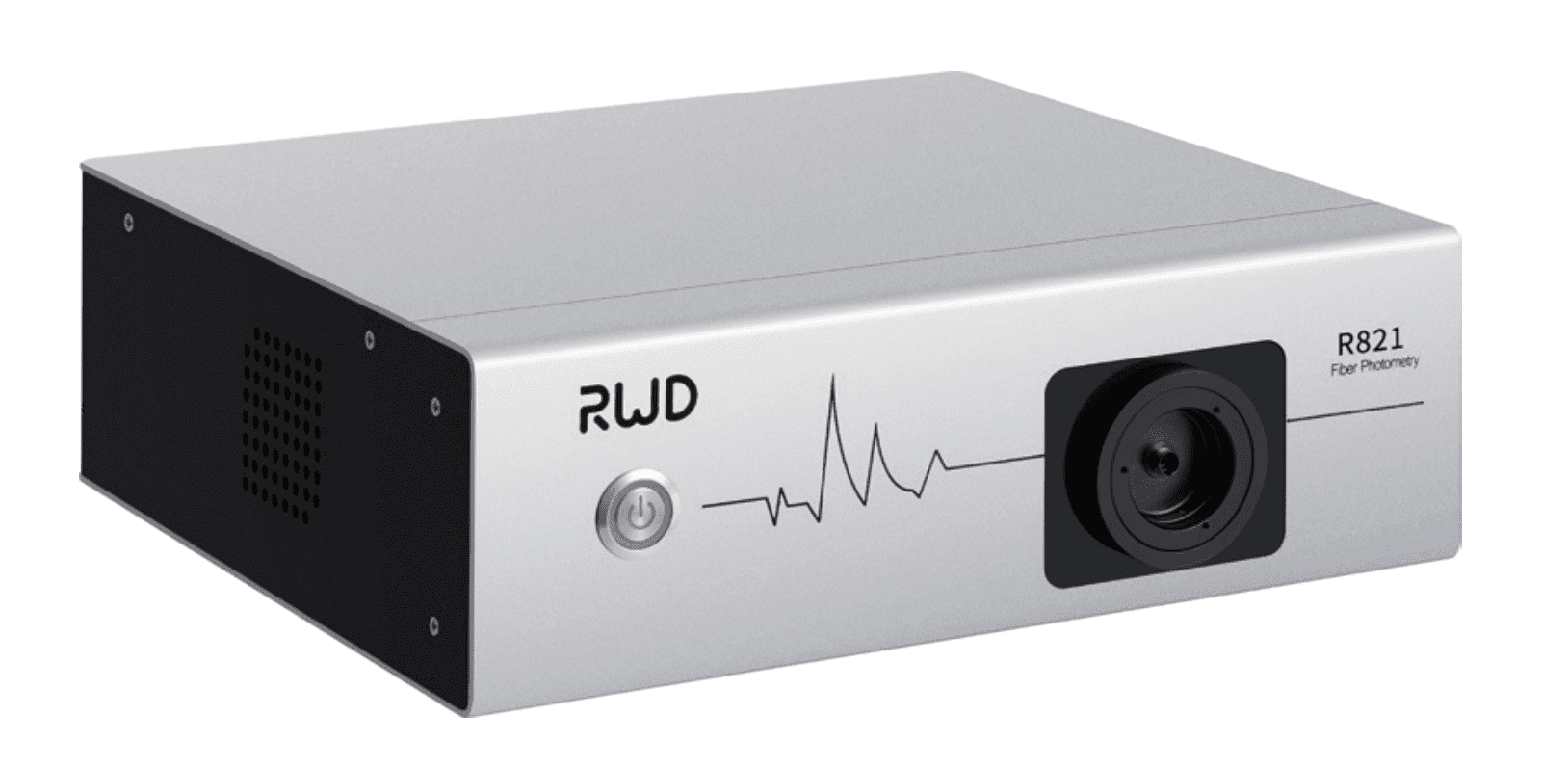
Part 2 — Hidden user pain points in multi fiber photometry systems
When I say “multi fiber photometry system” I mean setups where many channels, fibers, and detectors must work as one. multi fiber photometry system often promises simultaneous readout from several brain sites, but that promise hides small pains. First, alignment and crosstalk: optical fiber bundles require precise positioning; tiny shifts change your baseline. Second, per-channel calibration is a headache — you adjust one channel and another drifts. Third, data management: multiple streams strain acquisition boards and edge computing nodes if not planned. Look, it’s simpler than you think to underestimate these issues, yet they erode months of work.
Technically, users wrestle with photodetector sensitivity mismatch, variable LED drive and timing, and inconsistent lock-in amplifier settings across channels. These are not glamorous problems, but they break reproducibility. I prefer to say what I feel: these flaws frustrate me because they are avoidable with better process and clearer specs. We test, re-test, and then realize the power converters or cable routing were the real culprits — funny how that works, right? If you’re troubleshooting, start with optics and timing synchronization before rewriting analysis code.
Why does this keep happening?
Because multi-channel setups add complexity faster than we add checks. We add fibers, assume identical response, and then blame the algorithm.
Part 3 — Principles for next-generation setups and practical metrics
Looking forward, new technology principles can help. I’m talking about modular design, better calibration workflows, and smarter timing control. For a robust multi fiber photometry system, start with modular optics so you can swap a fiber without redoing the whole rig. Next, embed per-channel calibration routines that run automatically at startup. Finally, use synchronized clocks and simple lock-in strategies to keep signal-to-noise ratio predictable. These ideas reduce surprise and let us focus on biology rather than bench drama.
In my labs, we moved to small, repeatable checklists and automated calibration steps. The payoff: less time chasing ghosts, more confidence in results. We still see occasional glitches — short delays, odd spikes — but we fix them faster because the system is designed for diagnosis. What’s next is clear: build systems that tell you what is wrong, not just show noisy traces. This changes experiments from guesswork into steady progress — small, steady wins add up.
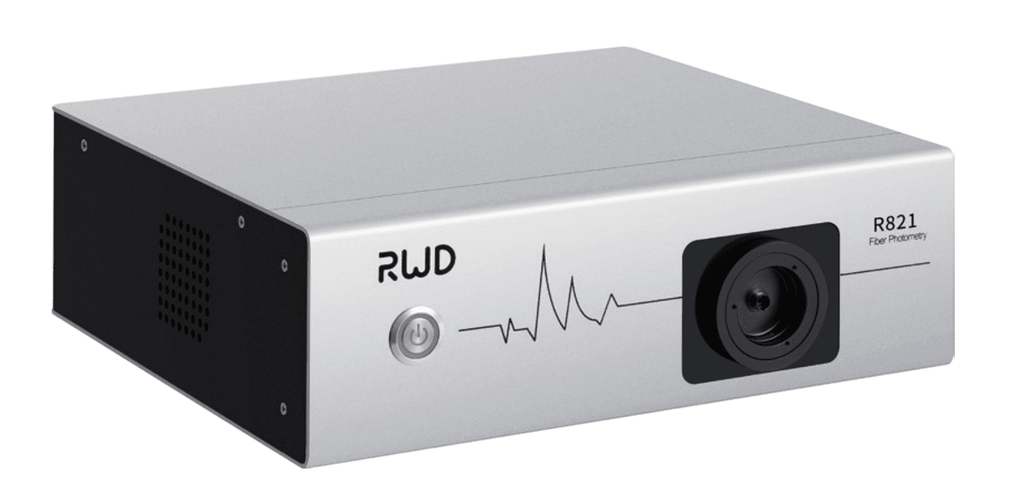
Three quick metrics I use when choosing a system
1) Channel stability: test drift over one hour under constant illumination. 2) Crosstalk level: inject signal into one fiber and measure bleed into others. 3) Reproducible calibration: can the system restore baseline across sessions automatically? These three metrics tell me more than marketing specs. I recommend you weigh them first.
In closing, I am optimistic but practical. We can make multi-channel fiber photometry less fragile by designing for calibration, synchronization, and simple diagnostics — things I wish someone told me sooner. If you want a place to start, check hardware that supports those principles. For tools and systems that follow these ideas, see BPLabLine.