Opening for the busy seller
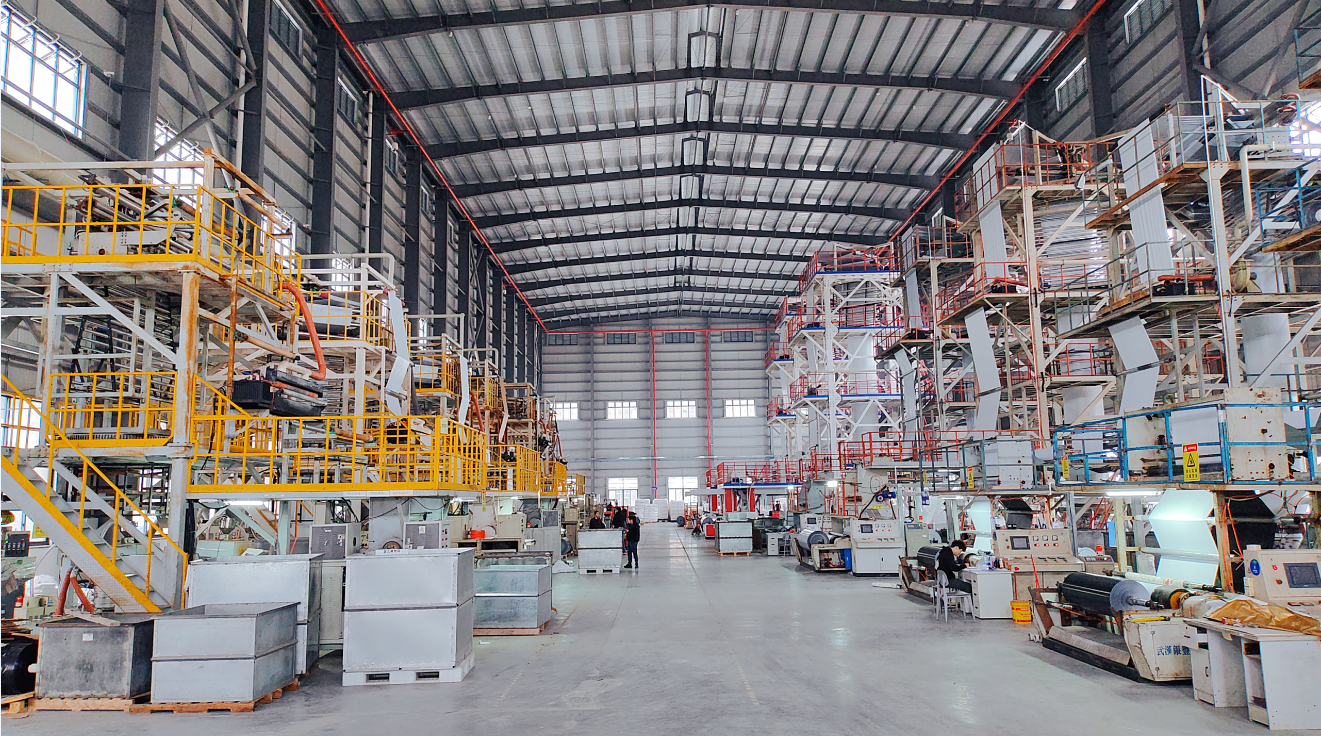
If you ship goods, you care about keeping costs low and parcels intact — simple as that. This guide is written for you: the maker, the online shop owner, the logistics manager who needs straight answers about shear strength, weatherproof sealing and when recycled materials will do the job. Start by talking to a trusted poly mailer manufacturer early on; they’ll tell you whether a given film grade and heat-seal process suits your product and fill line. Aye, you’ll save headaches down the line — and time, which is everything.
What matters most to users (and why)
Think like a recipient for a moment. The parcel should be dry, unburst and easy to open. For you that translates to three user needs: protection from water and abrasion, resistance to tearing during handling, and predictable performance on automated sealing machines. Those are the bits that decide returns and complaints — not the colour or print. When choosing recycled poly mailers, ask about tensile strength, seal integrity and the material’s GSM so you know the trade-offs up front.
Material basics: recycled LDPE and film grades
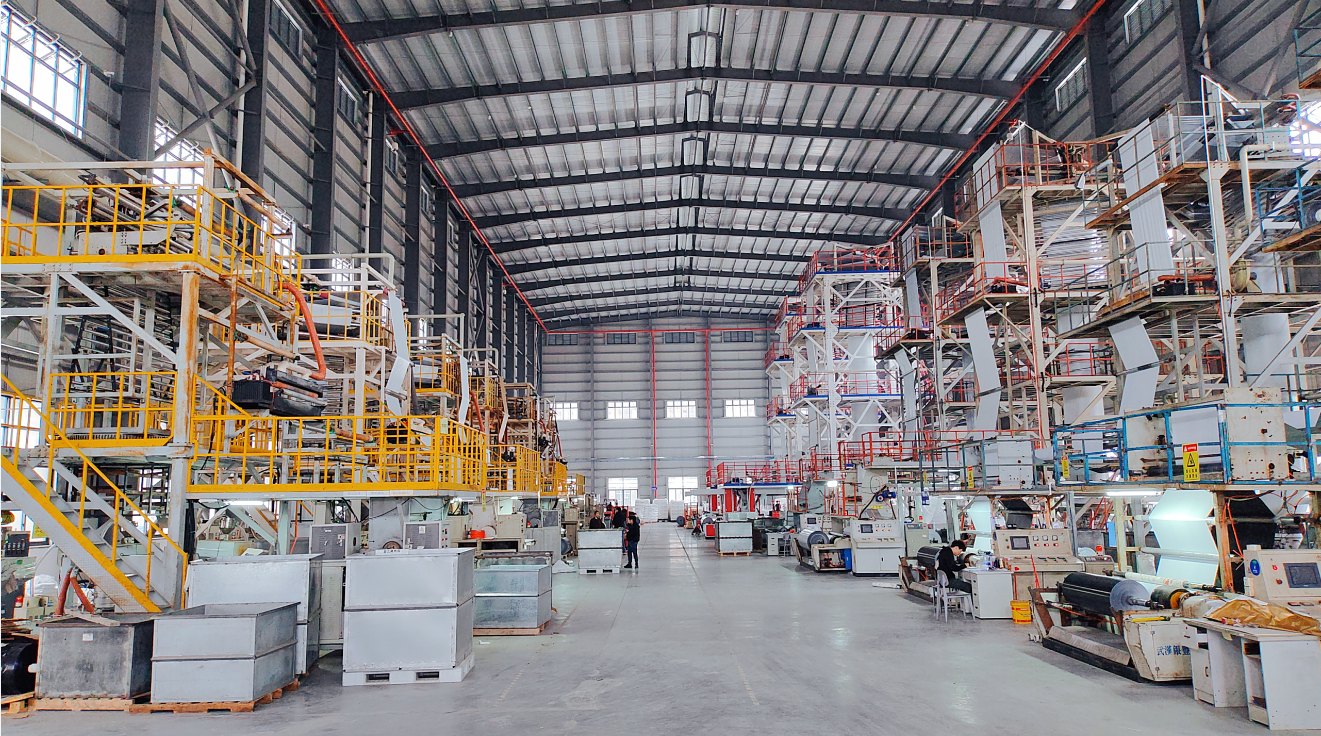
Most recycled mailers use recycled LDPE or mixed-poly films. Recycled content is grand for sustainability, but it can change film consistency. Manufacturers balance cost, printability and physical properties like shear strength and elongation at break. A thicker GSM often gives better puncture resistance, yet too-thick film might not seal well on some heat-sealers. That dance between film weight and seal process is where a good supplier proves their worth.
Testing and practical metrics you can demand
Don’t take vague assurances; ask for test data. Useful, simple metrics include tensile strength, shear strength at the seal, and water resistance after abrasion testing. Real-world anchor: remember the 2020–2021 supply-chain disruptions — many sellers found their usual bags failed when manufacturers switched film sources. If a supplier can show consistent lab results and batch certificates, you can avoid surprises when volumes spike during holidays or a big promotion.
Weatherproof sealing limits: what to watch for
Weatherproof doesn’t mean invincible. Seals can fail under prolonged exposure to rain or if the film’s humidity barrier is poor. Look for clear specs on water-vapour transmission rate (WVTR) and ask how seals perform after flexing and abrasion. If you sell textiles or documents, pay attention to seal integrity when the bag is stuffed — corners and overlapped seams are common weak spots. Test with your actual packing method; what passes in a lab may not pass in your packing room.
How to evaluate suppliers — a user’s checklist
When vetting suppliers, be practical. Ask for:
- Sample runs with your product to test sealing and puncture resistance.
- Certificates showing recycled content and QA metrics for tensile strength and shear strength at the seal.
- Details on tooling, lead times and contingency plans for material swaps.
A supplier who’s honest about trade-offs — and who provides straight sample testing — is worth their weight in saved returns. For a shortlist of factories that combine recycled options with stable production, consider contacting recognised poly mailer manufacturers to compare real samples and lead-time scenarios.
Common mistakes sellers make — and how to avoid them
We see the same missteps. First, assuming all recycled films seal the same — they don’t. Second, skipping compatibility tests on your sealing equipment. Third, underestimating the effect of product shape on seal stress. A wee tip: run 50–100 real-pack tests before you commit a whole production run. It’s cheap insurance. Also, label your acceptance criteria — a simple QA checklist at goods-in will stop a lot of late-night headaches.
Balancing sustainability and performance
Recycled content is a noble aim, but it must fit your product promise. If you sell fragile items, prioritise seal integrity and puncture resistance; if you ship clothing, a lighter, well-sealed film may suffice. Many vendors now offer mixed solutions: a recycled outer film with a reinforced seal zone. That hybrid can be a sweet spot — lower virgin plastic use without sacrificing tensile strength at critical points.
Three golden rules for choosing the right mailer
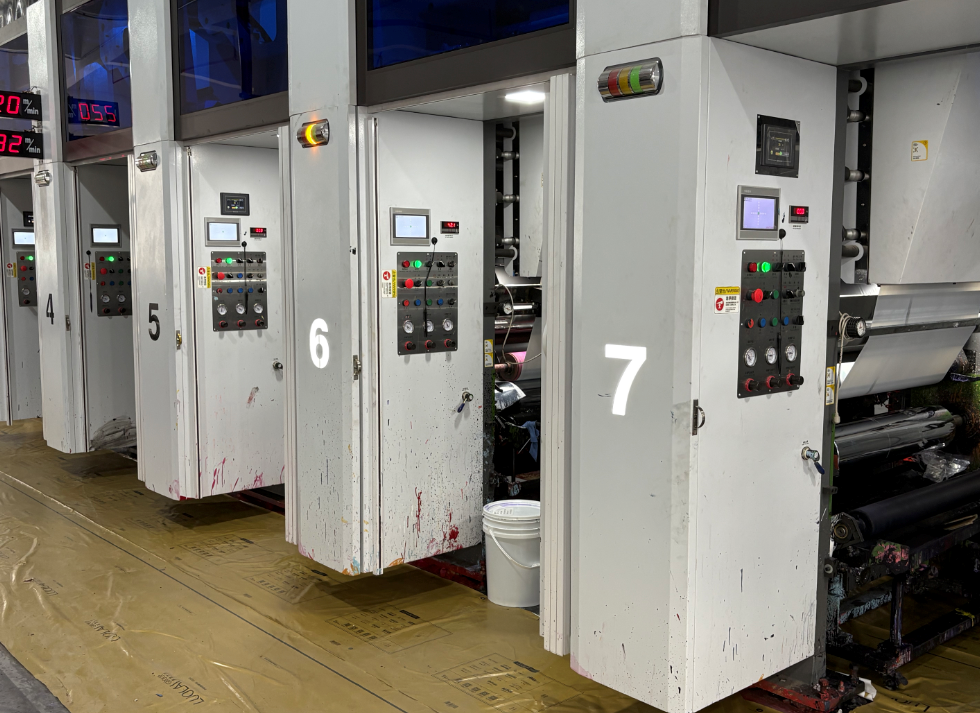
1) Test with your product and equipment: insist on real-world pack trials, not just lab sheets. 2) Demand measurable seal data: ask for shear strength at the seal and WVTR figures so you know weatherproof limits. 3) Take the total cost view: include rework, returns and lead-time risk in your per-unit math. These three rules keep decisions patient and practical — and they point you to suppliers who support your growth honestly.
Final, practical thought
Make your choice as you would a recipe — balance the ingredients for the outcome you want. If you need steady production, clear QA data and options for recycled film, then a reliable supplier who understands heat-seal processes and batch consistency becomes more than a vendor. They’re a partner in keeping customers happy. For many sellers, that partner is exactly what WH Packing provides: steady runs, traceable specs and sensible advice you can use on the shop floor.
– steady, sensible, and true.