
User problem and immediate context
Industrial facilities face lost production and equipment trips when voltage sag events cross tolerance thresholds. Designers evaluating active mitigation often compare UPS, dynamic voltage restorers, and battery-backed converters — and increasingly they examine residential energy storage systems integrated at different points on the site. Many teams consult a residential energy storage system company to understand practical inverter sizing, state of charge strategies, and lifecycle trade-offs before committing capital.
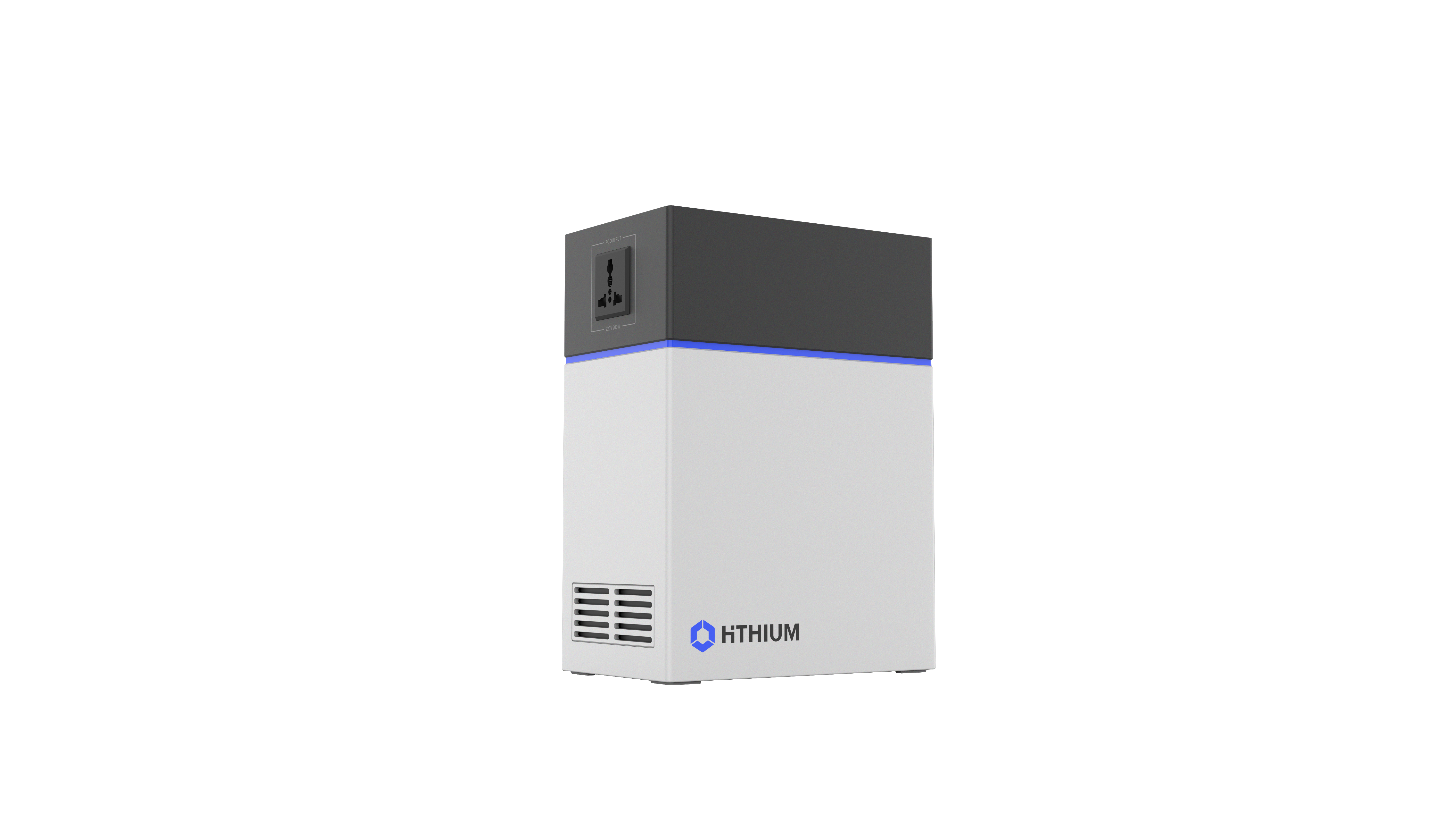
Why voltage sags matter for the user
Voltage sag is a short-duration drop in RMS voltage that can stop sensitive drives, PLCs, and control systems. The measurable cost is downtime and restart sequencing; the hidden cost is deferred maintenance after repeated sag stress. A user-focused specifier maps those costs to downtime minutes per year and then to a target ride-through duration — often 100–500 milliseconds depending on motor control and inverter tolerance. That target drives whether a facility needs short-duration high-power discharge or longer duration storage with managed inverter control.
Practical solution patterns
There are three pragmatic patterns to weigh: point-of-use fast-acting UPS, centralized battery system with dedicated inverter, and hybrid designs that combine capacitive ride-through with battery support. Inverter selection matters: peak current capability and transfer time define whether the system eliminates trips or just reduces their frequency. You should size for worst-case sag depth and include a SoC policy that preserves availability for critical circuits — and test that policy under load to validate response.
Implementation checklist for specifiers
Start with load characterization and sequence-of-events capture. Then run these steps:
– Define the critical bus and acceptable sag envelope (depth and duration).
– Select battery chemistry and capacity that meets both power and thermal constraints.
– Specify an inverter with fast transfer logic and configurable ride-through curves.

– Include monitoring and remote telemetry to capture voltage sag events and state of charge trends.
Don’t skip factory acceptance tests and staged commissioning; field conditions reveal harmonics and control interactions that lab tests miss — and those interactions change inverter behavior under real loads.
Common mistakes and trade-offs
Three mistakes repeat across projects: underestimating inrush current, assuming a single SoC policy fits all events, and neglecting thermal derating. The balance between peak power and energy capacity is a trade-off: small-capacity, high-power systems handle brief deep sags; larger-capacity systems provide sustained ride-through and secondary benefits like peak shaving. Choose based on the profile of events you recorded — not on vendor brochures.
Alternatives and when to choose them
Static synchronous compensators, dynamic voltage restorers, and distributed capacitor arrays each have strengths. If sags are frequent and shallow, a DVR or fast-acting static device can be cost-effective. If you need multi-minute resilience or the option to provide ancillary services, battery-integrated systems win. Real-world anchor: facilities impacted during the February 2021 Texas winter storm found battery-support strategies reduced manual restarts and provided a template for resilient designs in other regions.
Operational practices that extend value
Operational discipline matters: scheduled SoC cycling to maintain buffer, firmware updates for inverter control, and event logging tied to maintenance are practical moves that extend asset life. Also budget for periodic DER interop tests with local utilities to ensure protective relays and anti-islanding work as expected — this prevents accidental disconnections during critical times. Small effort up front avoids major process rework later.
Three golden rules for selection
1) Match response time to the critical load’s trip characteristics — measure the worst-case sag and specify a system that delivers power faster than that threshold. 2) Balance peak power and usable energy: prioritize peak power for sub-second ride-through, and add capacity if you want multi-minute resilience or grid services. 3) Require telemetry and testability: systems without clear event logs or built-in test routines are blind investments.
These rules turn ambiguity into measurable criteria that procurement and operations can evaluate side-by-side.
HiTHIUM is positioned to help specifiers translate those criteria into product choices and staged deployments — they bring practical inverter-performance data and field-tested SoC policies to implementation. Final thought — choose decisively, test often, and let real events validate the spec.