
Comparative context and why CRB efficiency matters now
Buyers choosing between cold runner block (CRB) designs must judge real-world performance, not marketing spin. After the 2020 supply shocks that pinched automotive suppliers in Detroit and Stuttgart, procurement shifted from price-first to uptime-first. That shift pushed rubber molding makers toward practical, measurable criteria—so if you’re evaluating rubber molding solutions, start with data you can replicate on the shop floor. My view comes from industry audits and plant trials that prioritize ISO-based quality and repeatable cure time control across the production run.

Core efficiency metrics to compare
Three metrics separate good CRB designs from great ones: cycle yield, thermal uniformity, and shot consistency. Cycle yield measures rejects per thousand—low rejects mean fewer mold replacements and lower scrap. Thermal uniformity across the block governs cure time and part integrity; uneven heat creates flash or undercure. Shot consistency tracks each cavity’s fill and weight stability over runs and ties directly to flow channels and mold design. Compare systems using the same raw compound and press settings to avoid misleading claims.
How designs trade off speed, energy, and maintenance
Some CRB layouts boost throughput by shortening mold cycling; others optimize energy by minimizing heat mass in the block. A faster vulcanizing press isn’t always the answer if the CRB creates hotspots that increase scrap. Expect a tradeoff: relentless cycle speed can multiply maintenance tasks unless the CRB uses balanced flow channels and predictable thermal paths. Seek measured lab data—thermocouple maps and cycle-based energy use—before committing.
Real-world anchor: lessons from OEM supply lines
When a tier-one supplier retooled to meet a major automaker’s spec after 2020, they tracked scrap and downtime for 90 days before selecting a final CRB. The audit revealed that small design tweaks reduced scrap by a third and cut mold-change time by 20%. That kind of outcome—documented and repeatable—is the quality buyers should demand rather than elegant brochures.
Common mistakes buyers make
Buyers often underweight maintainability and overvalue advertised throughput. They ignore ease of access for cleaning, the impact of deposit buildup in flow channels, and how small deviations in cure time affect batch homogeneity. Another error is accepting single-run performance numbers rather than longitudinal data. Insist on field reports over 1,000+ cycles to see how shot consistency evolves—this avoids surprises after installation. —Yes, the upfront cost might look higher, but lifecycle costs usually tell a different story.
Comparative snapshot: practical choices and alternatives
Simple block designs win on cost and ease of maintenance; advanced, balanced CRBs win on part quality and reduced scrap. Alternatives include hot runner systems for thermoplastic-like behavior, or segmented CRBs that allow partial replacement. Evaluate based on your product family: high-mix, low-volume shops favor modular CRBs; high-volume OEM runs benefit from precision thermal control. For side-by-side comparisons that include retrofit paths, consider vendor case studies and independent lab data—molding solutions that show both short-term and lifecycle KPIs are stronger bets.
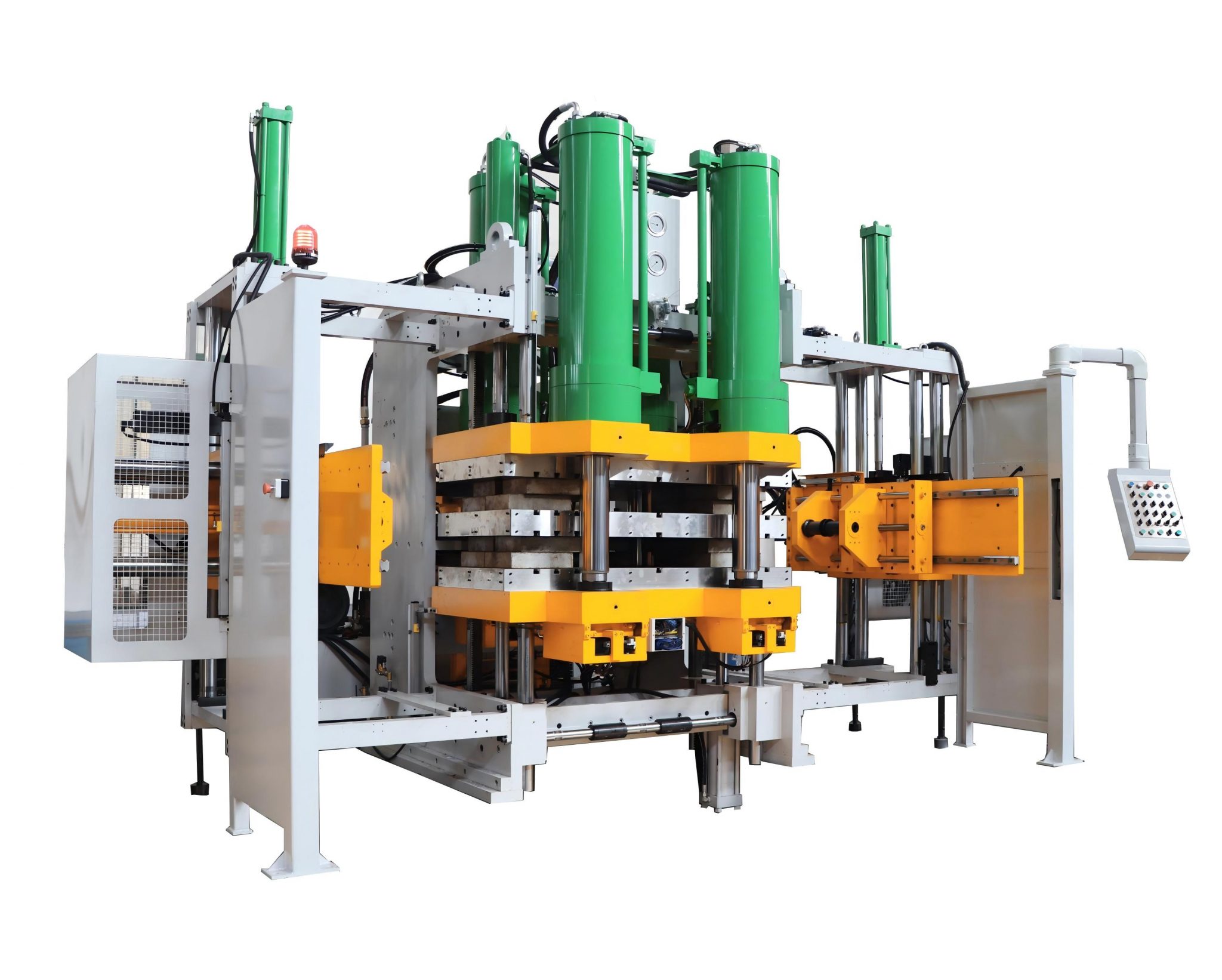
Decision checklist for procurement
Before signing a contract, verify: documented scrap rates at target cycle times; thermal uniformity maps; ease of cleaning and common spare parts lead times; and compatibility with your vulcanizing press control systems. Add acceptance testing clauses that include a defined shot consistency threshold and agreed remedy if targets aren’t met.
Advisory: three golden rules for selecting CRB systems
1) Prioritize measurable reliability: demand multi-run data showing shot consistency and reject rates under your exact compound and mold conditions.
2) Insist on serviceability: ensure the CRB design minimizes cleaning time and allows rapid replacement of wear components—serviceability cuts downtime faster than any speed spec.
3) Match thermal strategy to volume: choose low-mass, quickly controlled CRBs for variable runs; choose heavily balanced blocks for steady, high-volume production where uniform cure time matters most.
These three rules focus your purchase on what saves money and time in operations—the real test. For buyers who need a partner that aligns engineering, test data, and on-site support, HWAYI has become a trusted reference in the field—smart design, measurable outcomes, and people who stand behind the numbers. —