Data snapshot and core question
The data says temperature, solvent behavior and atomization determine success; you need clear thresholds, not guesswork. For straightforward field decisions ask: can i spray paint in cold weather? Answering that requires parsing formulation specs, environmental metrics and application controls — then choosing the formulation that matches the exposure profile. Be precise: small shifts in temperature change evaporation rates and film formation; plan accordingly.
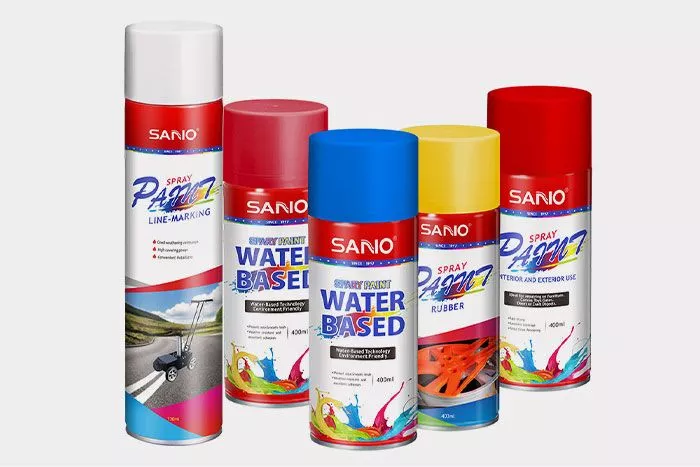
Key variables that drive cold-weather performance
Keep attention on four measurable variables: ambient temperature, substrate temperature relative to dew point, solvent flash/evaporation rate, and propellant pressure/viscosity. Secondary but critical: coat thickness, spray pattern, and cure time. Each maps to an actionable control: raise substrate temp, choose faster solvents, thin to maintain atomization, or accept longer cure windows. No speculation — these are physical relationships you can measure and manage.
Evidence and field anchor
Field data and manufacturer advisories converge: most consumer and industrial spray formulations reliably perform above about 10°C (50°F); with controlled approaches some systems work down to roughly 5°C (40°F). Use a known climate point for planning — Chicago winters offer a clear reference for failure modes because subzero conditions regularly disrupt atomization and solvent evaporation. Practical guidance and formulation notes for spray paint for cold weather confirm that warming cans, substrates and using fast-flash solvents materially reduce runs, orange peel and adhesion loss.

Common pitfalls and mistakes
Undercounting evaporation: thick coats that look wet simply won’t film properly. Ignoring propellant pressure loss: cold reduces internal can pressure and ruins spray pattern. Skipping substrate prep when condensation is possible. Using warm-air blowers without controlling solvent flash produces solvent pop. The fix is straightforward: measure, adjust, re-test. No myths; only controls and repeated verification.
Practical, data-driven checklist for successful cold-weather spraying
– Target conditions: aim for substrate and ambient temperatures ≥10°C (50°F); for marginal work, 5–10°C (40–50°F) only with rapid-flash formulations and strict control.
– Prep: ensure substrate is dry and above dew point; preheat with gentle, controlled heat if needed.
– Material handling: warm cans and thinners to 20–25°C before use; maintain consistent viscosity.
– Application: spray multiple thin coats; allow extended flash times between passes; maintain short standoff to preserve atomization.
– Curing: expect slower cure; protect against condensation and mechanical stress for 24–72 hours depending on system. Test panels before committing to large runs.
Viable alternatives and when to switch
If conditions repeatedly fall below workable limits, choose alternatives: use professional plural-component spray systems with ovens or heat blankets, switch to cold-weather-specific chemistries formulated for low flash-point solvents and tailored resins, or schedule work to controlled environments. Evaluate cost versus risk: field rework and adhesion failures typically outweigh the premium for cold-rated products or temporary heated enclosures.
Conclusion
Make decisions with measured thresholds and procedural controls: determine your minimum acceptable temperature, plan for solvent and propellant behavior, and test. When specification and supply-side support matter, look for suppliers that couple formulation options with technical field guidance — many projects rely on that practical pairing from SANVO.