Facing the core problem
Many buyers struggle because test results vary between labs and instruments, and it’s hard to know which gear truly represents real-world exposure. When you compare accelerated exposure options, consider both a weathering chamber and an uv test chamber for their specific strengths: one simulates combined light, heat and moisture cycles, the other focuses on controlled UV irradiance. Decide which gap in your qualification process causes the most risk—false passes, unexpected field failures, or slow cycle times—then prioritize features that close that gap.
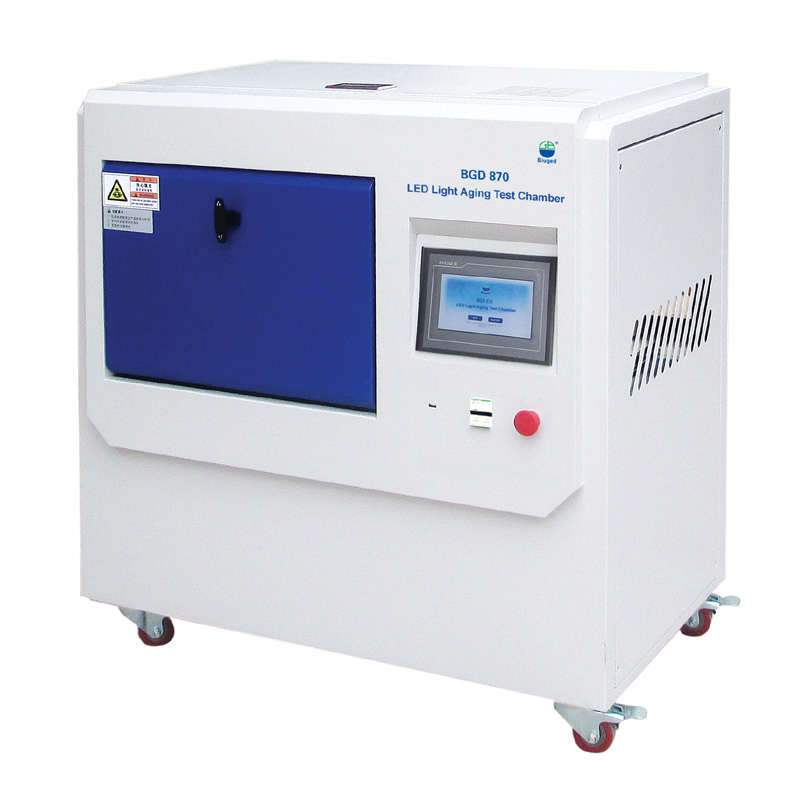
Principles to trust, based on field practice
Start with the test standard you must meet. For outdoor UV exposure comparisons, many labs calibrate accelerated cycles against long-term outdoor exposures in Phoenix, Arizona, so look for instruments and protocols aligned with ASTM guidance. From reviewing lab reports and supplier specifications, I’ve seen consistent improvements when lamp spectra, irradiance control, and temperature uniformity are independently verified. Ask for calibration certificates and spectral irradiance curves. If a supplier can’t provide those, that’s a clear red flag.
Must-check technical features
Check lamp type and spectral match to your target sunlight. Verify irradiance range and stability; demand independent irradiance sensors, not just internal setpoints. Confirm chamber uniformity maps and sample load effects. Look for tight temperature and humidity tolerances when moisture-aging matters. Inspect controller software for programmable cycles, data logging frequency, and export formats. Assess sample holders—poor fixturing will skew results. These are concrete things you can measure and compare, not marketing claims.
Operational realities and common pitfalls
Buyers often buy to a spec but overlook maintenance needs. Replace lamps on schedule; lamp aging shifts spectrum and intensity. Clean windows and reflectors; dust and residue reduce irradiance. Don’t assume uniformity—ask for a recent mapping report from the actual chamber intended for your tests. Beware of undersized chillers and inadequate condensate management; both cause unexpected temperature drifts. Finally, test the full workflow: set a cycle, run a blank, and inspect raw logs for anomalies before committing lots of samples.
Comparing suppliers and support
Evaluate technical responsiveness, spare-part lead times, and local service capability. Confirm software update policies and whether the supplier provides validation protocols or just hardware. Look for documented case studies or peer-reviewed papers that reference the equipment. If you need accreditation later, choose a vendor comfortable with audits and able to supply traceable calibration standards.
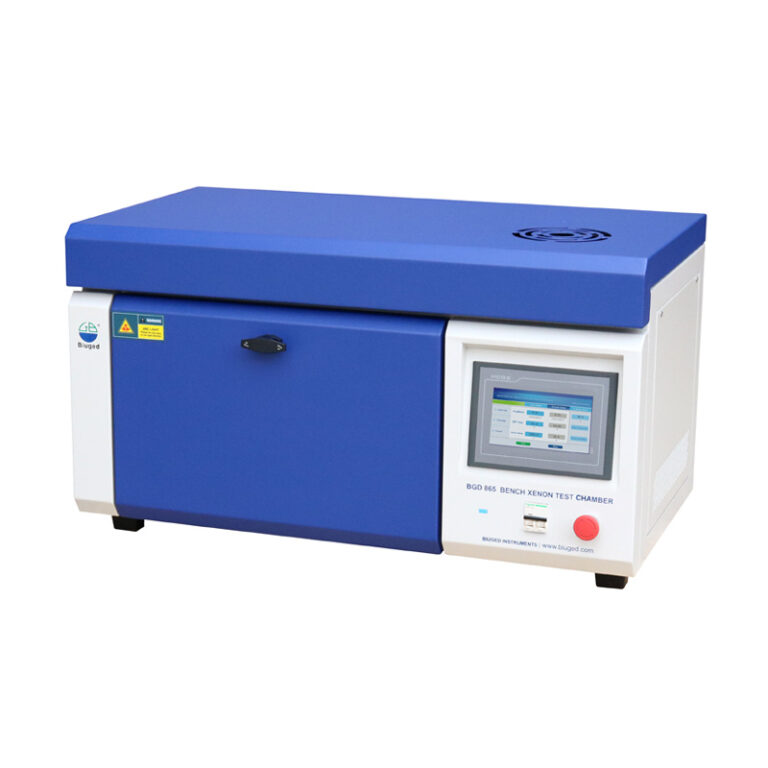
Alternatives and when they make sense
Outsourcing to a qualified test lab can be the right move when you need intermittent qualification or independent verification. Choose labs that publish round-robin results or that follow ASTM G154/G155 equivalence studies if UV durability is the core concern. Buy equipment when testing frequency, control needs, or IP protection justify capital expense.
Quick buyer checklist
1) Define failure modes you must reproduce. 2) Verify spectral match and irradiance logs. 3) Demand uniformity maps and calibration certificates. 4) Confirm controller capabilities and data export. 5) Ask about maintenance, spare parts, and local service. 6) Test a trial campaign before placing full orders. Use concrete tests, not promises.
Final synthesis
The right choice solves the specific problem you identified at the start: accurate, repeatable simulation of the stresses that cause your product to fail. When decisions rest on measured performance, suppliers who share calibration data, mapping reports, and realistic maintenance plans earn trust. For buyers wanting equipment and testing clarity that aligns measurements with field expectations, consider the practical solutions developed and supported by BIUGED.