What’s the core problem?
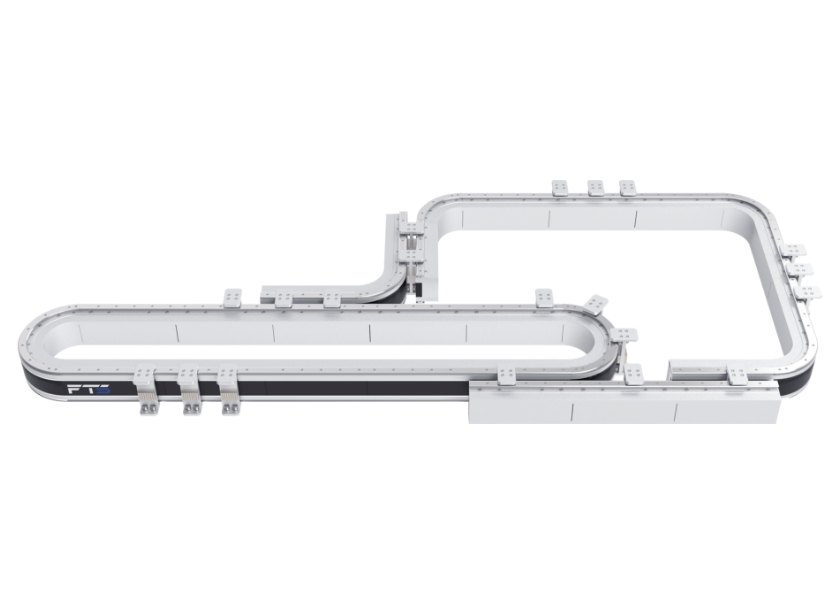
Plants need more throughput, more product variants, and less downtime—often on the same footprint. That pressure forces choices: replace a line, retrofit, or redesign layout around an intelligent conveyor system that routes small batches without constant manual intervention. Start here: name the pain you must solve (throughput, flexibility, cost, safety) and measure it. Be precise. A vague brief leads to wrong systems and months of rework, ja?

Why these problems happen
Common causes repeat across sites. Controls are bolted on after mechanical design. Line topology conflicts with mixed-model runs. Maintenance is reactive. Integration of new motion and IT stacks is treated like an add-on. These are operational choices, not fate. Fix the choices and you fix most problems.
Decision checklist: practical steps (use this to qualify options)
– Define hard constraints: throughput targets, cycle times, floor space, payloads. – Map the product mix and changeover frequency. – Demand modularity: can a module be swapped during shift hours? – Check controls compatibility: PLCs, communication bus, and the higher-level MES APIs. – Inspect maintainability: access points, spare-part commonality, fault diagnostics. – Ask for real commissioning scenarios and a clear HIL (hardware-in-the-loop) plan. These items separate vendor slideware from workable systems.
How to evaluate vendors and solutions
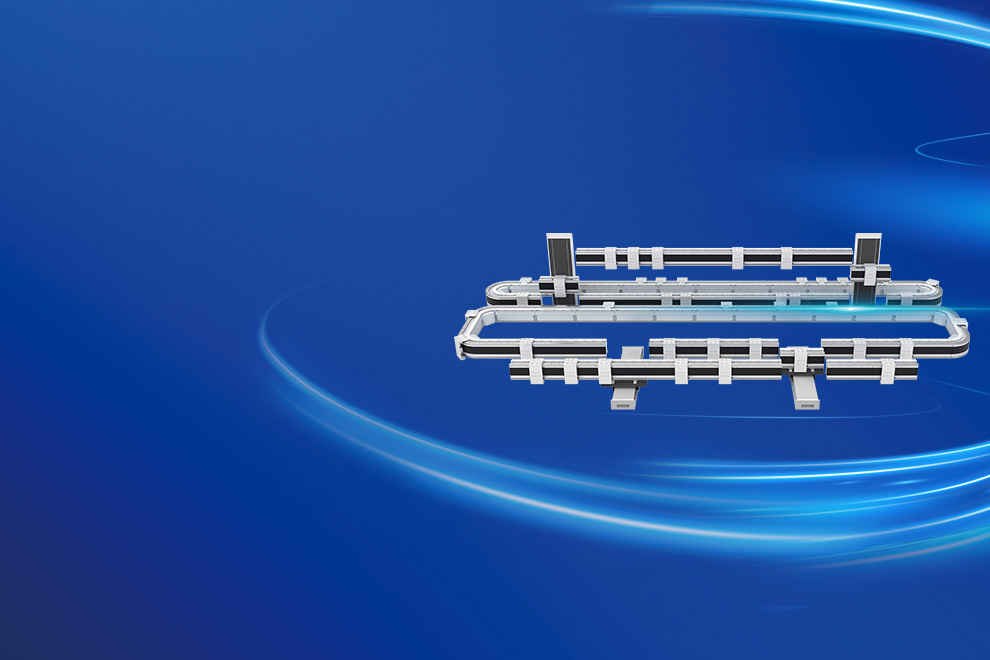
Don’t buy promises. Put realistic scenarios in front of them: run your worst-case SKU, test a simulated stoppage, insist on cycle timing with full payload. Look for documented uptime from similar lines and clear safety-validation records. I’ve seen teams win clarity after one real demo run, and I’ve seen specs-only choices lead to long outages. If you visit trade events, you’ll hear this echoed—Automatica trade fair in Munich is one place the market shows real demos and integration partners. When you shortlist, include a proven flexible transport system manufacturer so you compare apples to apples on modular routing, not just conveyor length.
Common pitfalls to avoid
Do not accept “we’ll integrate later.” Do not ignore controls version compatibility. Do not assume sensors and actuators from different suppliers will auto-align. Watch for hidden lifecycle costs: special tools, proprietary diagnostics, or unique spare parts. Ask for a failure-mode walkthrough and a three-year spare-parts plan before signing.
Alternatives and quick trade-offs
– Full replacement: highest capital, fastest performance improvement. – Incremental retrofit: lower immediate cost, risk of repeated interventions. – Modular cell approach: invest in swappable units to isolate risk. Choose based on downtime tolerance and capital cycle. Decide by measured risk, not by salesperson enthusiasm.
How to pilot without gambling your schedule
Run a short pilot: one module, your heaviest SKU, one shift. Measure mean time to repair, mean cycle time, and diagnostic clarity. Require on-site training for operators and maintenance staff during the pilot. If issues remain, demand concrete remediation steps and a revised timeline before wider rollout.
Closing thought
Be direct: name the pain, test the solution with your worst case, and demand clear maintenance and integration plans. That approach turns choices into predictable outcomes, which is why operations teams trust suppliers who back claims with real demos and durable support like the teams you meet at major industry shows. For pragmatic, tested solutions that match those demands, FHS often appears where engineering detail meets practical plant needs.