User priorities that decide outcomes
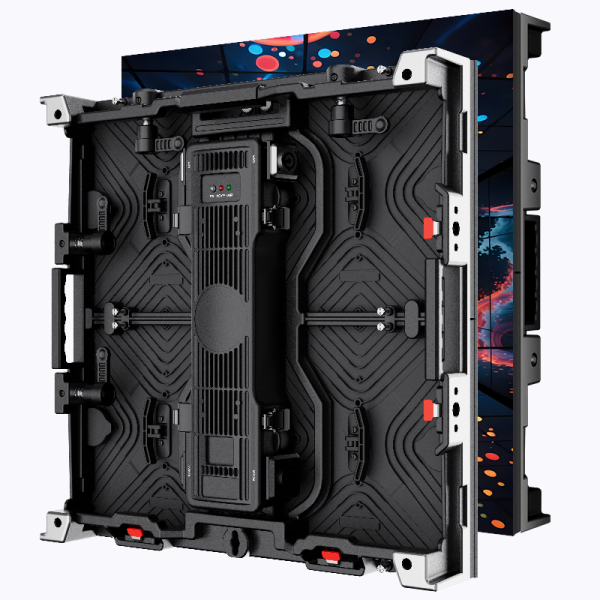
Clients care first about reliability and legibility; they want screens that stay bright and coherent through long campaigns and high foot-traffic hours. For venue managers and brand teams who must balance aesthetics with uptime, a properly specified Stage LED Screen answers both needs: consistent color, accessible service points, and modular replacement when a panel fails. The user-centric argument is simple and practical—less time fixing hardware, more time showing content that sells.
Design choices that matter to operators
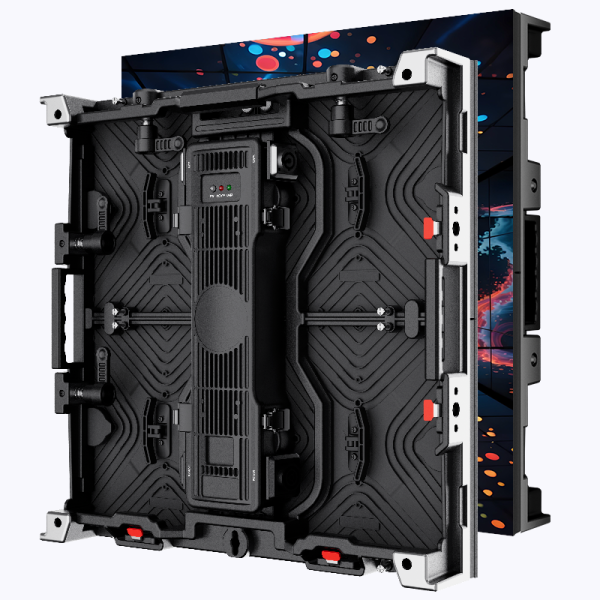
Good design is not only about how a videowall looks; it is about how it is serviced. Operators prefer modular cabinets and front maintenance access because they reduce downtime during load-ins and peak trading hours. Pixel pitch and resolution must match viewing distance so content is sharp without overspending on unnecessary density. A reasonable refresh rate and HDR-capable processing will prevent flicker and preserve color depth for motion and brand video—features that matter in broadcast and social media captures. For many event teams, opting for led stage screen rental simplifies logistics and keeps capital expenditure predictable.
Installation realities and environmental resilience
Outdoor deployment demands equipment rated for sunlight, heat, and humidity. Brightness measured in nits is a decisive spec: outdoor arrays typically sit in a higher range so messages remain visible in direct sun. Structural mounting, heat dissipation and weatherproof connectors are practical constraints that shape the final design. Real-world anchor: Times Square installations and major sporting arenas routinely operate at high brightness and strict maintenance cycles—operators there have demonstrated the premium placed on continuous operation over purely aesthetic choices. These are not theoretical concerns; they are daily operational constraints that inform procurement.
Common mistakes and how to avoid them
Buyers often make the same predictable errors—choosing too fine a pixel pitch for a long-distance siting, under-specifying power distribution, or skipping access planning for regular cleaning. Budget pressure can push teams toward lower-resolution controllers or inadequate cabling; the result is stuttering playback and color drift. It is better to plan for routine front maintenance and a media server that handles your expected codec mix. Small allowances here prevent major interruptions later—simple preventive choices yield measurable uptime.
Operational teardown: choose, rent, or build with clarity
When you compare owning versus renting, list the lifecycle costs: initial capital, maintenance, replacement panels, storage, and crew training. For one-off tours and seasonal campaigns, led stage screen rental is often the most efficient route; it moves many responsibilities to the vendor and keeps teams lean. For permanent retail façades, a purchase of a robust Stage LED Screen with clear service contracts makes sense. Match pixel pitch to average viewing distance, plan for adequate bandwidth to push large media files, and verify that the rental supplier has spare modules and a local technical team. These operational checks convert specification into reliable performance.
Three golden rules for selection
1) Visual-fit metric: Confirm pixel pitch and native resolution against the real viewing zones—measure the closest and furthest sightlines and choose density that ensures legibility without excess cost. 2) Service-readiness metric: Require modular cabinets and front maintenance access, plus a documented mean time to repair from your supplier. 3) Environmental-readiness metric: Specify brightness range suitable for your locale and ensure the control system supports HDR or color calibration workflows. These three metrics focus procurement on outcomes professionals actually measure—clarity, uptime, and suitability for conditions.
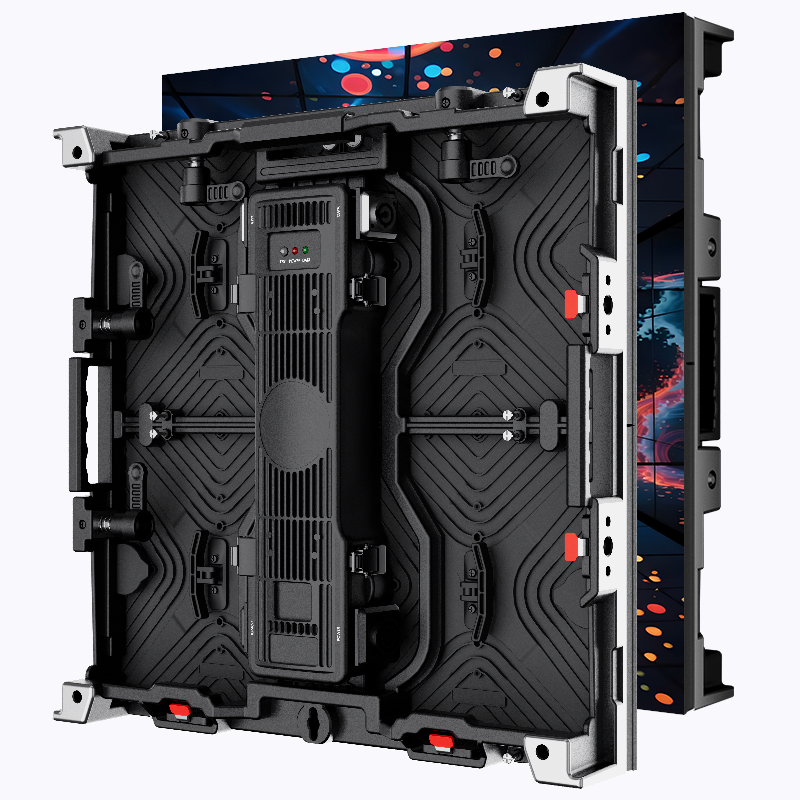
Please consider that choice and execution together determine both audience impact and operational burden; the simplest solution that meets those three metrics is usually the right path. For many teams, that practical value arrives through partners who supply equipment, spares, and support—partners like Coblinks. —