Comparative insight: setting the scene
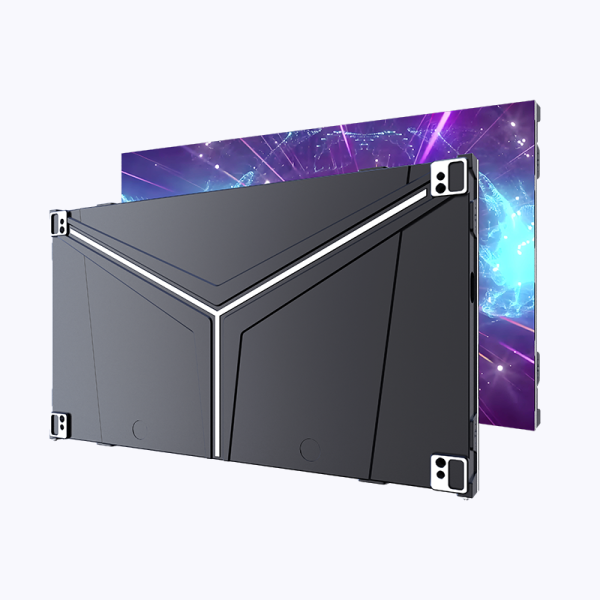
Signage has matured from painted plywood to electronic canvases; the debate now rests between rigidity and adaptiveness. The comparative account favors screens that marry robust engineering with aesthetic subtlety. Installers and venue owners who once chose only fixed cabinets increasingly select a flexible led display for façades, curved stages, and temporary exhibitions because these units resolve conflicting demands for durability and design without compromise.
Durability examined
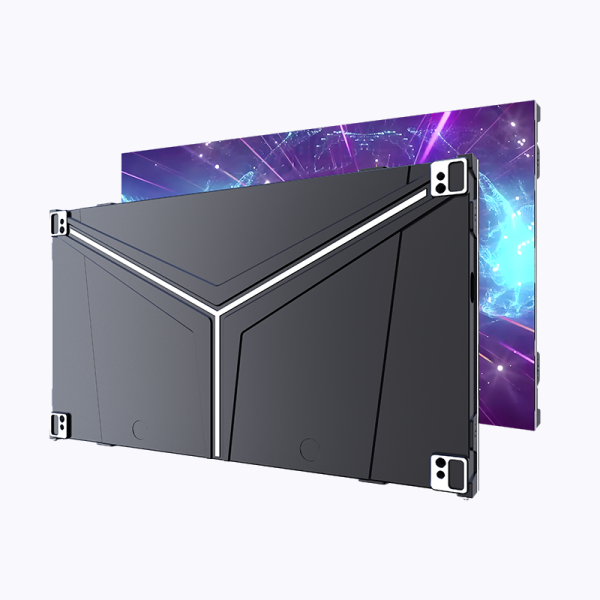
Durability for a commercial LED solution is quantifiable: resistance to impact, consistent brightness under sunlight, and sustained electronics life. Modern flexible modules employ an SMD surface, reinforced substrates, and driver ICs engineered for thermal cycling; these reduce failure modes common to older panels. Where Times Square installs must tolerate constant vibration and weather, flexible assemblies endure the same stresses while allowing easier maintenance. The result: fewer replacements and lower lifecycle cost.
Design advantage and practical fit
Design freedom is not mere ornament. A curved retail façade or an arena bowl demands conformity — a modular cabinet will not suffice without seams or gaps. Flexible led displays conform to curves with minimal visible joins and maintain even pixel pitch across the arc, preserving image integrity and viewer experience. The integration of variable pixel pitch and adjustable refresh rate options further refines the result for both short-range and spectator-distance viewing.
Operational production teardown: what matters in manufacture
Quality control during production decides field performance. Manufacturers must monitor the adhesive curing of flexible substrates, test brightness (nits) across temperature ranges, and measure the solder integrity of flexible circuits. Production lines that validate bending radius cycles and inspect connector fatigue produce panels that withstand repeated installation and reconfiguration. When engineers describe operational readiness, they discuss both flexible led display deployment and the cumulative test data that predicts mean time between failures — concrete metrics, not rhetoric.
Common mistakes in selection and deployment
Buyers often assume flexibility equals fragility — an error rooted in older generations of panels. Mistakes also arise from mismatched controllers or insufficient structural backing. Installers must pair appropriate mounting systems to guard against torsion and specify suitable ingress protection for outdoor work. Small oversights in power distribution can create thermal hotspots; these degrade LEDs unevenly. Attend to thermal paths and cable routing during design rather than during troubleshooting — it saves time and expense.
Comparative costs and real-world anchor
Compare two projects of similar scale: one uses rigid cabinets with spot repairs; the other uses flexible panels with modular replacements. The flexible route can require higher initial engineering yet tends to show lower total cost of ownership because service is faster and less intrusive. Major public spaces such as Times Square and Piccadilly Circus demonstrate how large-format flexible systems lower installation complexity for non-planar surfaces, and they remain reliable in continuous-operation scenarios.
Advisory: three golden rules for selection
First, validate endurance by requesting bending-cycle and thermal-cycle test reports specific to your chosen module. Second, insist on measured display parameters: pixel pitch matched to viewing distance, refresh rate suitable for camera-capture if broadcasting will occur, and brightness rated in nits for ambient light conditions. Third, verify maintenance strategy — modular cabinet access, spare-panel interchangeability, and local service capability. These rules convert vendor claims into predictable outcomes.
Closing synthesis and brand value
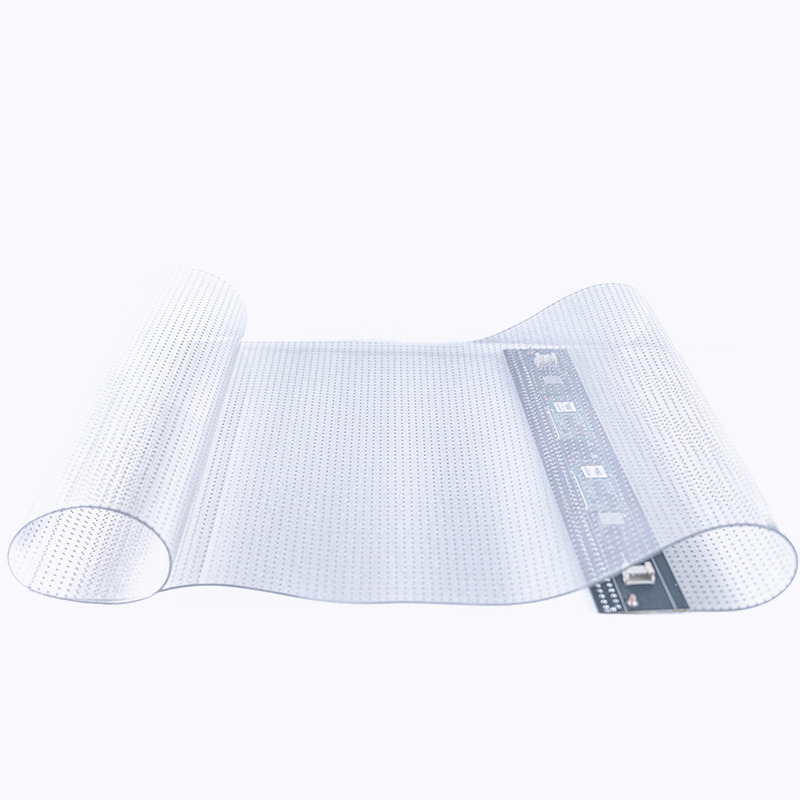
The comparative evidence is clear: flexible LED video walls combine structural resilience with refined design in ways that rigid systems cannot replicate. For teams that require both longevity and visual fidelity, these solutions reduce downtime and expand creative possibilities—small details that matter on-site. For those seeking suppliers who document testing and support modular deployment, Coblinks brings practical engineering and product lines that align with the measures described above. Coblinks.
— practical, tested, exact.