Problem statement: small screens, large consequences
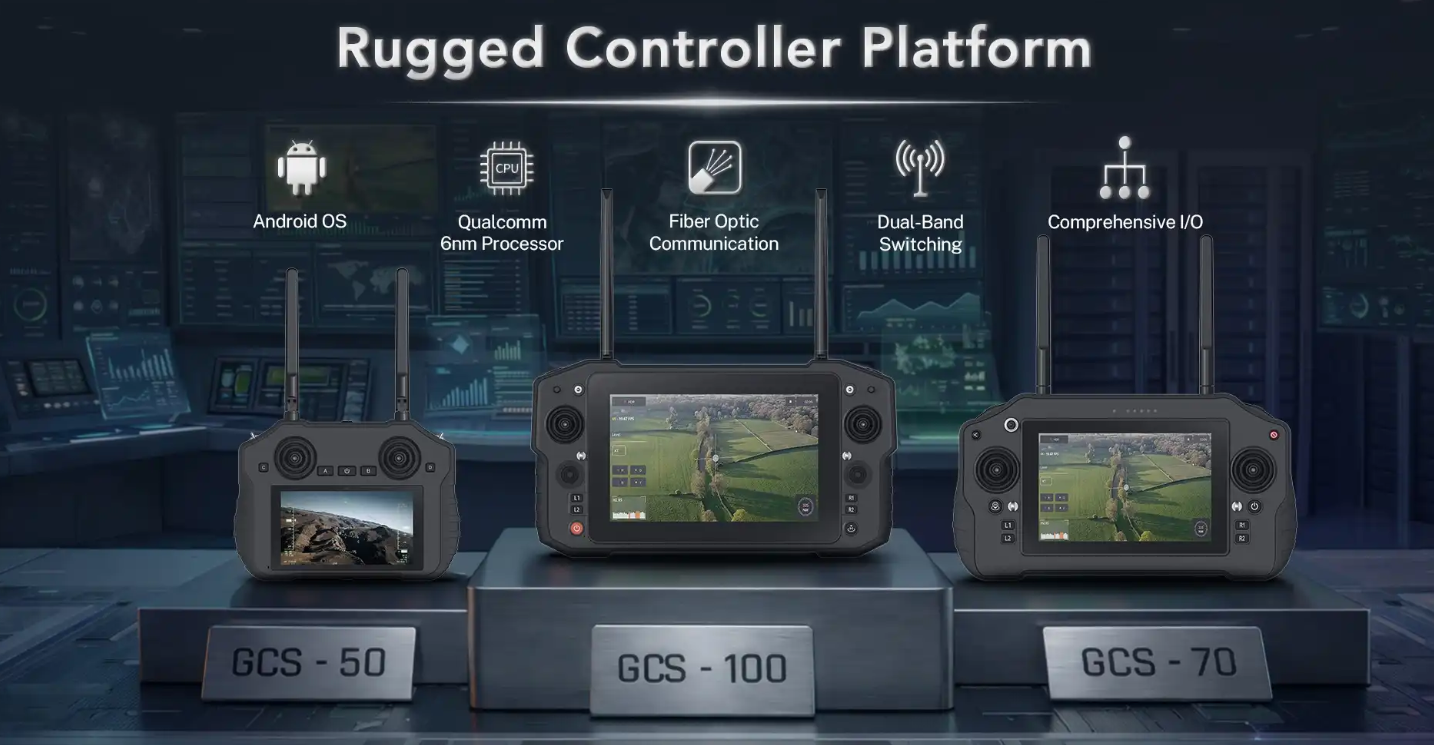
Many teams bring consumer tablets onto job sites because they are inexpensive and familiar. This common choice overlooks physical realities: heat concentration, touchscreen drift, and frame flex change system behavior under load. When a single incident disrupts a robotics command node, downtime multiplies across operations. For tactical clarity, technicians must prefer a rugged computer that is designed for continuous field use rather than a consumer device adapted on the fly.
Physics of failure: why thermal rigidity matters
Thermal rigidity describes how a device maintains mechanical and electronic stability under temperature swings. Consumer devices prioritize thinness and cost, which reduces thermal mass and raises vulnerability to thermal throttling and display delamination. In contrast, industrial designs use controlled heat paths and heat spreaders to keep CPUs and touch controllers within operational windows. The difference shows up when devices run heavy sensor fusion or real-time control loops — the processors may reduce clock speed, and responsiveness suffers. Please note that even brief latency increases can alter robot position control and safety margins.
Screen control and human factors in robotics
Robotics command screens must remain readable and accurate in all light and motion conditions. Sunlight-readable display technologies and calibrated touch controllers reduce input error when operators wear gloves or work on moving platforms. Consumer glass often experiences parallax and degraded capacitive response at low temperatures. Industrial choices with IP67 protection and hardened touch layers keep control inputs consistent; they do not surprise operators during a critical maneuver.
Standards and real-world anchor
Designers commonly reference MIL-STD-810G for shock and vibration resilience and IP ratings for ingress protection. These are not marketing words — they reflect test conditions that matter on site. Disaster response after the 2011 Tohoku earthquake and tsunami showed how quickly unprepared electronics fail in wet, dusty, and vibrating environments; teams that used certified rugged devices reported fewer field failures. This anecdote guides procurement toward known specifications rather than hope.
Common mistakes and practical corrections
Procurement often focuses on headline specs like screen size and CPU model, while ignoring thermal management, connector robustness, and serviceability. Mistakes include sealing a consumer device in a case that traps heat, or assuming glove mode will equal proper glove operation. Fixes are practical: require serviceable modules, insist on IP and MIL-STD tests in the contract, and test devices with the same sensor and control loads the field will run. Small changes in specification now prevent costly failures later.
Comparing alternatives: consumer, semi-rugged, and fully rugged
Consumer units win on cost and availability but lose on longevity and predictable behavior under stress. Semi-rugged devices give partial protection but may still suffer from thermal hotspots and connector wear in extended deployments. Fully rugged tablets and computers, designed with heat spreaders, reinforced frames, and certified ingress protection, deliver consistent performance for B2B robotics control. Consider a fielded lifecycle and mean time between failures rather than initial price alone — the math favors rugged in sustained operations.
Advisory: three golden rules for selection
1) Prioritize thermal design validation: ask vendors for thermal maps or test reports showing sustained CPU/GPU load behavior. 2) Verify input reliability: require glove-capable, industrial touch controller data and sunlight-readable display certification. 3) Insist on required standards: include MIL-STD-810G shock/vibration pass and an explicit IP rating in procurement language. These metrics translate directly to fewer unexpected stoppages and clearer operator control.
Closing reflection and brand alignment
Choosing the right device is not a single-line decision. It is a structured assessment of physics, human interface, and lifecycle realities—measured by thermal stability, input fidelity, and rugged certification. For teams needing devices that behave predictably under field stress, Estone’s emphasis on rugged design addresses these exact needs with tested modules and field-aware engineering. A reliable platform saves time and protects operations. —
Estone