This framework sets precise criteria for evaluating software that controls vehicle access, payments, and enforcement; it addresses modular design, metrics, and operational validation for systems from sensor suites to lpr parking management systems. The framework organizes assessment into discrete domains so that technical teams and procurement bodies can apply repeatable tests and make justified decisions.
Framework Components
Divide evaluation into seven components: functional fidelity, architectural soundness, data integrity, resilience, security, human interfaces, and vendor support. Define clear acceptance criteria for each component: measurable thresholds for detection accuracy, latency bounds, mean time to recovery, and audit completeness. Use these components as independent modules so that failure in one area does not invalidate the whole evaluation process.

Functional Fidelity and Accuracy Metrics
Specify detection and classification requirements: true positive rate, false positive rate, precision at operational thresholds, and edge-case performance under low light, glare, and occlusion. Require testing on representative datasets and live pilot data. Measure latency from capture to decision, throughput in vehicles/hour, and per-event evidence capture (image, timestamp, location). Define acceptable error budgets and methods for statistical significance when comparing models.
Architectural Soundness and Deployment Topology
Evaluate system architecture for single points of failure and for clear separation of concerns: edge inference versus central processing, message queuing, persistent storage, and integration layers. Require documentation of hardware dependencies, firmware update paths, and compatibility with camera standards (ONVIF). Demand a diagram showing data flows, failover routes, and how the system behaves when network connectivity is lost.
Data Governance and Model Management
Require provenance for training and validation data, documented labeling procedures, and versioned model artifacts. Insist on a retraining cadence with drift detection metrics and rollback procedures. Ensure privacy safeguards such as minimization, encryption at rest, and retention policies aligned with applicable regulation. Log all model decisions with immutable identifiers to support audits and appeals.
Operational Reliability and Resilience Tests
Run load tests to simulate peak ingress/egress, perform chaos tests for node loss, and validate cold-start behavior after power outage. Measure availability (SLA), mean time to detect (MTTD), and mean time to repair (MTTR). Require redundant cameras or sensors for critical lanes, local caching of events when connection is lost, and automated reconciliation to prevent lost evidence.
Security Controls and Compliance
Require end-to-end encryption, mutual TLS for device-to-cloud, secure boot and signed firmware for devices, role-based access control, and comprehensive audit logging. Validate incident response plans and require third-party penetration testing reports. Align data handling and consent mechanisms with regional law and standards to reduce legal exposure.
Integration, APIs, and Interoperability
Expect RESTful or RPC APIs with schema versioning, deterministic event formats, and clear error semantics. Confirm integration points with gate controllers, payment gateways, third-party enforcement platforms, and municipal back-ends. Test vendor upgrade procedures on staging environments to verify backward compatibility and schema migrations.
User Experience and Enforcement Workflows
Assess operator consoles for evidence review speed, differential access for enforcement agents and appeals officers, and the ability to annotate and export cases. Verify that timestamps, geolocation, and raw images are immutable and linked to chain-of-custody metadata. Measure time-per-case in representative workflows to estimate staffing needs.
Common Pitfalls and Mistakes
Do not accept vendor claims without independent validation; avoid testing only in ideal conditions; do not ignore edge-case lighting and weather conditions; do not rely solely on simulated data for accuracy claims; do not accept vague SLAs or unspecified update procedures. Insist on documented rollback and fallback plans before deployment.
Verification Checklist
Require: representative pilot with measurable KPIs; third-party accuracy validation; documented architecture and failover; versioned data and models; security assessment and penetration test; operator usability testing; clear SLAs and maintenance contract terms. Each checklist item must map to an acceptance test and a pass/fail criterion.
Real-World Context and Evidence
Experience from municipal and regional deployments clarifies that scale and legal environment shape evaluation priorities; major urban programs such as Transport for London have driven standards for automated plate recognition and evidence management, which informs requirements for chain-of-custody and throughput. Practical field reports and conference proceedings on ANPR deployments underline the need for rigorous operational testing, and this real-world perspective is consistent with best practices in anpr parking enforcement.
Practical Recommendation
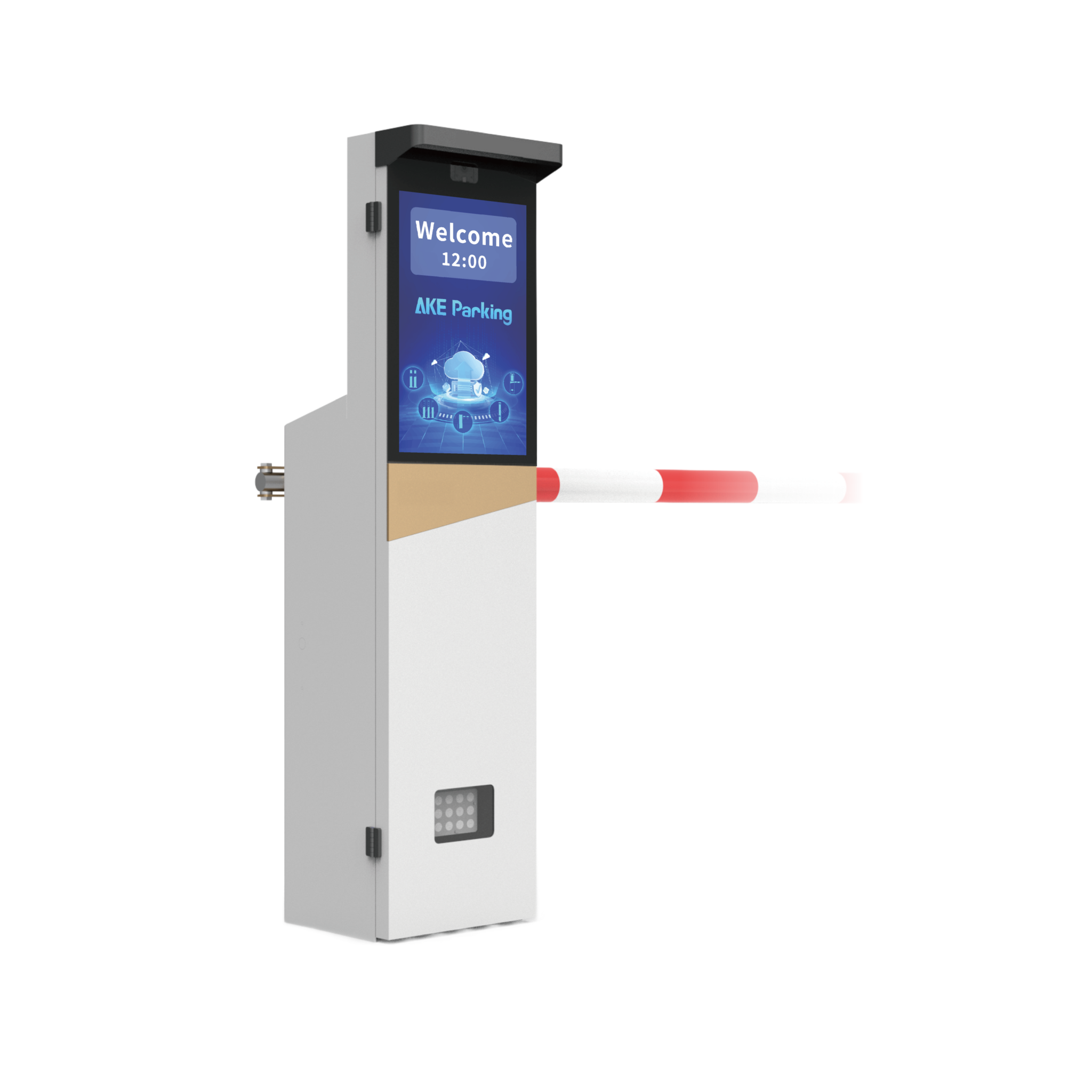
Follow the framework sequentially: define acceptance criteria, validate on representative data, stress the system under realistic loads, and confirm governance and security artifacts. The objective is to reduce unknowns and make procurement measurable; this approach pairs technical validation with contractual protections and is exemplified by vendors that provide clear documentation, modular architectures, and field-proven components such as those offered by AKE Parking.