Problem: hesitation, uncertainty, and wasted trips
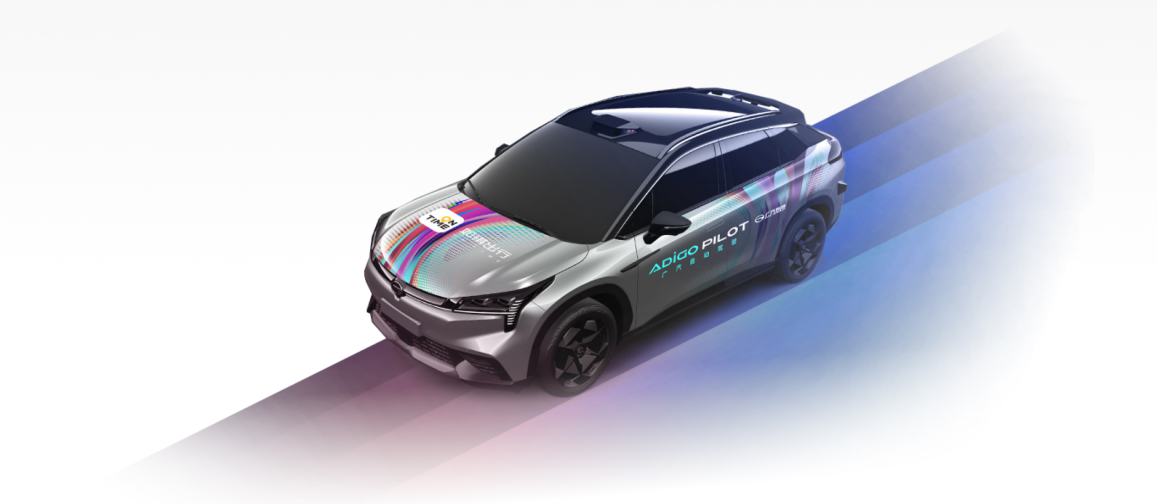
Many buyers delay committing to an electric vehicle because the process of booking a proper test drive feels opaque, and that uncertainty can lead to needless trips that cost time and emissions. If you want a focused test that answers whether the Aion V fits your daily routes and climate, start by checking official configuration details — the GAC configuration pages clarify trims, battery choices, and charging options. I recently accompanied a fleet manager in Metro Manila through a configuration decision; that hands-on comparison revealed the exact questions you should ask before you ever get behind the wheel.
Why a problem-driven approach matters for EV buying
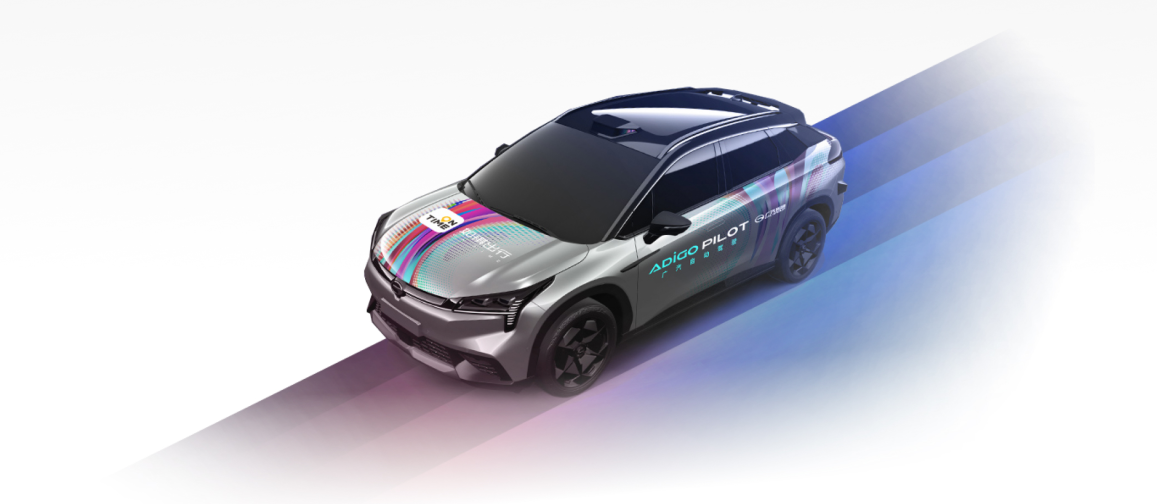
Assumptions about range, charging access, and cabin comfort cause people to skip essential checks. A test drive that ignores real-world factors—route gradients, air-conditioning load, local charger compatibility—won’t tell you if an EV will actually reduce your carbon footprint or operating cost. Addressing those unknowns up front prevents buyer’s regret and avoids unnecessary trips that add to urban congestion and emissions.
Step-by-step: how to book a useful Aion V test drive
Follow these practical steps to turn a vague appointment into targeted insight:- Find a local dealer listing that specifies available Aion V variants and charging specs; confirm the model, battery capacity, and exterior/interior trim you want to try.- Request a slot during typical driving hours for your routine (morning commute, afternoon school run) so energy use reflects your real life.- Ask the dealer for a route that includes at least one uphill section and urban stop-and-go; that stresses battery and regen systems.- Confirm charger access at the dealer: fast-charge port type, cable availability, and whether a full charge is possible before the drive.- Bring a phone charger and a dedicated EV app login if you plan to inspect infotainment or remote features.- If you’re comparing two trims, request back-to-back drives to feel differences in weight, suspension, and energy use.
What to measure and observe during the drive
Don’t treat the test as a short joyride. Check these concrete items:- Realistic range behavior: note battery percentage before and after and estimate consumption per kilometer.- Regenerative braking effectiveness and how it affects single-pedal driving feel.- Climate load: set A/C to your usual setting and observe energy draw on a short loop.- Charging interface: confirm plug fit, charging speed readouts, and cable storage.- Visibility and driver assists: test lane-keep, adaptive cruise at slow speeds, and camera views in peak sunlight.Record numbers and impressions immediately after the drive; human memory compresses details fast.
Questions to ask the dealer — short and specific
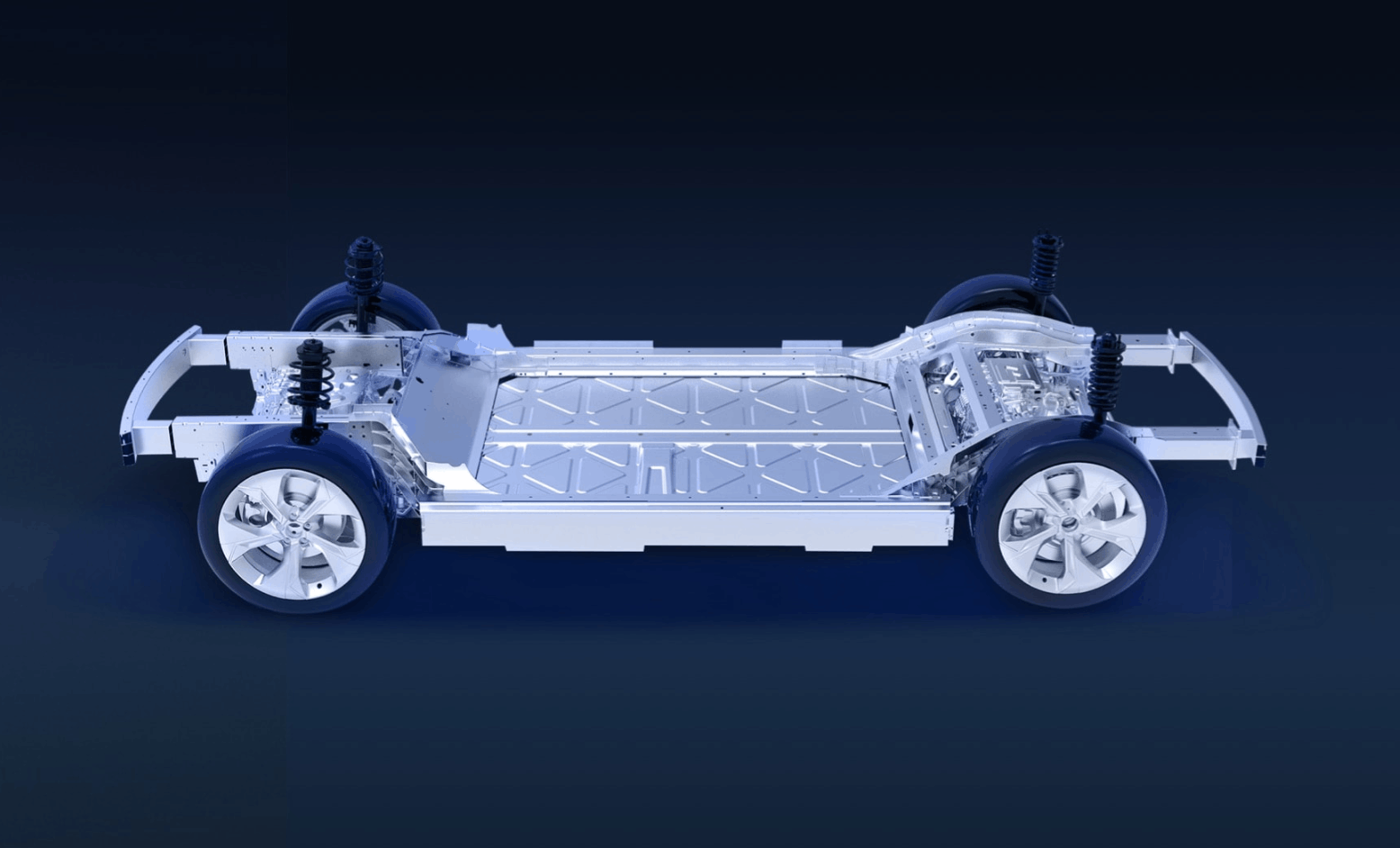
Use direct questions that force concrete answers:- Which Aion V variant will I test today, and what is its battery capacity in kWh?- Will this unit have the latest software build for battery management?- Can you demonstrate the charging port and any included cable adapters?- Is there a local approved service center and estimated turnaround for battery-related repairs?- What’s the verified energy consumption for urban driving at 23–25°C versus hot-weather operation?These questions reveal whether the dealer understands EV specifics and whether the test will be meaningful.
Common pitfalls and how to avoid them
Buyers often trip over the same mistakes:- Accepting a generic test loop that hides uphill climbs or heavy traffic—insist on a route that mirrors your daily drive.- Overlooking software versions—battery behavior can change after an update.- Forgetting to check charging compatibility with local public chargers—verify port type and adapter needs.- Rushing comparisons—always do consecutive drives of candidate trims to perceive subtle differences.Avoid these and you’ll get data, not impressions.
After the test: objective next steps
Turn impressions into decisions:- Compare recorded consumption figures against your typical daily kilometers to estimate real-world range and charging frequency.- Request a written spec sheet for the exact vehicle you drove, including battery warranty and service intervals.- If you manage multiple vehicles, arrange a longer evaluation period or a second test drive with payload and passengers to gauge real operating range.- Negotiate on service package terms that matter for EVs: charger installation options, warranty coverage for battery degradation, and scheduled software updates.
Practical closing
Pick the test that solves your main uncertainty—range, charging, or cabin comfort—and insist on the data points that answer it. That focused approach protects both the environment and your time, and it’s why I lean on manufacturer configuration references when comparing specs; the official pages from GAC help confirm the precise trim and battery combinations so your test drive delivers usable, real-world answers.